Sleep is the foundation of recovery. It restores the body, reorganizes the brain, balances hormones, and primes the immune system. Whether you’re an athlete, a student, a shift worker, or simply aiming to feel and perform better, understanding sleep is one of the highest‑return investments you can make.
Why Sleep Matters for Recovery
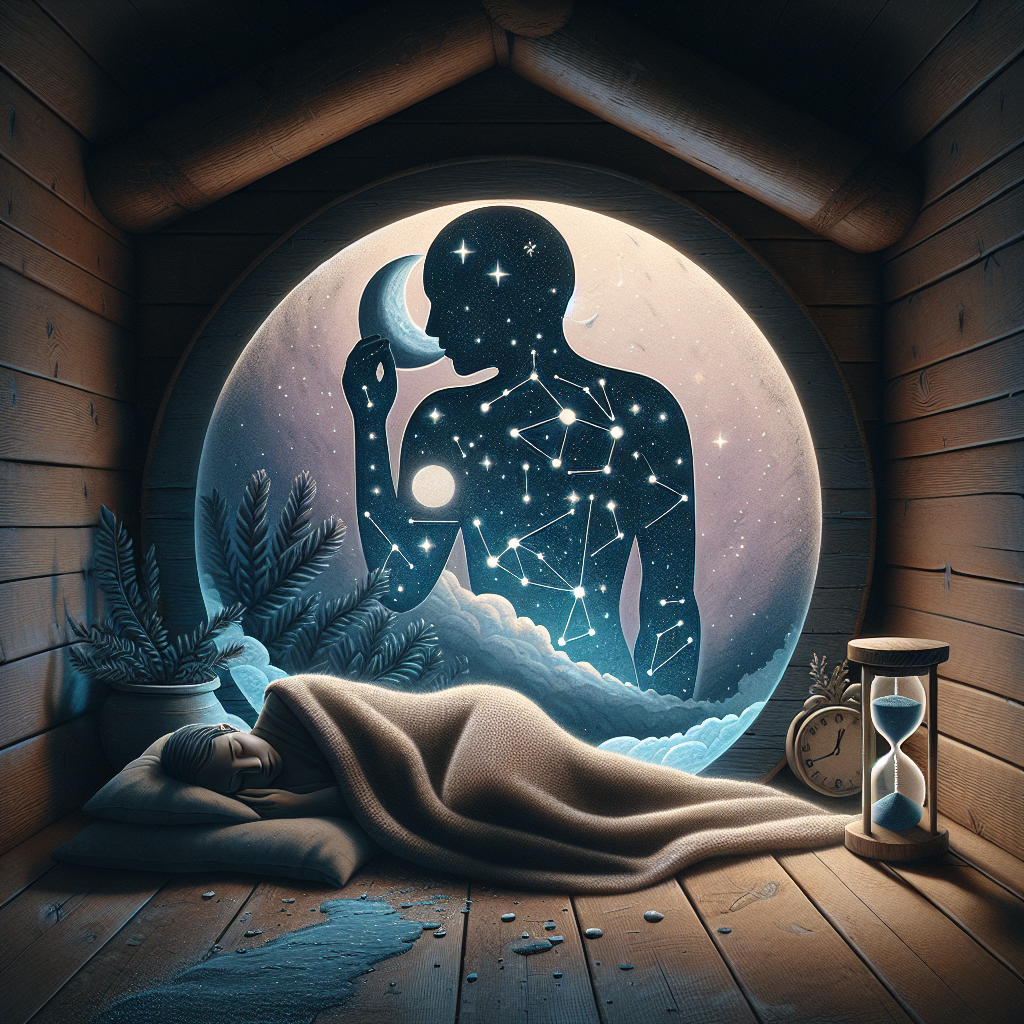
Sleep is not passive downtime. It’s an active biological process that:
- Repairs tissues and muscles
- Consolidates learning and memory
- Regulates hormones that control appetite, stress, and growth
- Supports immune function and lowers inflammation
- Restores cellular energy balance and clears metabolic waste
Even short-term sleep loss impairs reaction time, accuracy, mood, pain tolerance, and decision-making—raising injury risk and reducing performance.
How Sleep Works
Sleep architecture
Healthy sleep cycles through stages about every 90 minutes:
- N1/N2 (light NREM): Transition and basic maintenance
- N3 (deep NREM or slow-wave sleep): Physical repair, immune support, growth hormone release
- REM (rapid eye movement): Brain reorganization, emotional processing, memory integration
Early night is richer in deep NREM; later night tends to include more REM. Both are essential for full recovery.
Circadian rhythm and sleep pressure
- Circadian rhythm: Your ~24-hour body clock, synchronized by light and regular timing of meals, activity, and social cues.
- Sleep pressure (homeostasis): The longer you’re awake, the stronger the drive to sleep, largely mediated by adenosine.
Good sleep balances these two forces: a strong sleep drive at bedtime and a circadian “low” that supports staying asleep.
Recovery Benefits of Sleep
Physical recovery
- Muscle repair and growth: Deep sleep supports growth hormone pulses that aid tissue repair and synthesis.
- Hormonal balance: Adequate sleep supports testosterone, moderates cortisol, and improves insulin sensitivity.
- Pain and injury risk: Sleep restriction increases pain sensitivity and injury risk and slows healing.
Brain and cognitive recovery
- Memory consolidation: NREM stabilizes facts and skills; REM integrates them, fueling creativity and strategy.
- Glymphatic clearance: Sleep enhances removal of metabolic byproducts (e.g., beta-amyloid) from the brain.
- Mental resilience: Better mood, focus, and reaction time reduce errors under stress.
Immune recovery
- Immune coordination: Sleep supports cytokine balance and antibody production.
- Illness risk: Short sleep increases susceptibility to infections and lengthens recovery time.
How Much Sleep Do You Need?
- Teens (14–17): 8–10 hours
- Young adults and adults (18–64): 7–9 hours
- Older adults (65+): 7–8 hours
- Athletes or heavy training blocks: Often 8–10 hours plus optional nap
Quality matters too. Signs of good sleep health include falling asleep in 10–20 minutes, minimal awakenings, and waking refreshed without heavy reliance on alarms or stimulants.
Ways to Optimize Sleep
Daytime anchors
- Light: Get 10–30 minutes of morning daylight; reduce bright light at night, especially blue‑rich screens 1–2 hours before bed.
- Activity: Exercise most days; complete intense sessions at least 3–6 hours before bedtime when possible.
- Caffeine: Avoid within 6–8 hours of bedtime; be mindful of dose and hidden sources (tea, soda, pre‑workouts, chocolate).
- Alcohol and nicotine: Both disrupt sleep stages; avoid near bedtime.
Evening wind‑down
- Consistency: Keep a stable sleep and wake time, including weekends when possible.
- Routine: 30–60 minutes of predictable, calming activities (reading, light stretching, breathwork, warm shower).
- Light and screens: Dim lights; use night modes or blue‑light reduction if screens are necessary.
Sleep environment
- Dark, cool, quiet: Aim for 60–67°F (15.5–19.5°C), blackout curtains, and white noise if helpful.
- Comfort: Supportive mattress and pillow; reserve the bed for sleep and intimacy to strengthen the sleep association.
Nutrition and hydration
- Avoid large, heavy, or very spicy meals 2–3 hours before bed.
- A light snack can help if hungry (e.g., protein plus complex carbs).
- Hydrate earlier in the day; taper fluids in the late evening to reduce awakenings.
Supplements (optional)
- Melatonin: Short‑term use for jet lag or shift changes; low dose (e.g., 0.3–1 mg) 1–2 hours before target bedtime may help. Consult a clinician if considering regular use.
- Magnesium glycinate or threonate: Some find 200–400 mg in the evening relaxing; check interactions and kidney health.
- Avoid combining sedatives or using sleep aids long‑term without medical guidance.
Stress, mindset, and breath
- Wind down the nervous system: Try 4–6 breathwork, box breathing, or progressive muscle relaxation.
- Write it down: A brief “brain dump” or to‑do list can reduce rumination.
- Mindfulness: Even 5–10 minutes reduces arousal that fragments sleep.
Naps and Sleep Debt
- Power nap: 10–20 minutes for alertness with minimal sleep inertia.
- Full‑cycle nap: 60–90 minutes to include deeper stages; may cause grogginess on waking but supports recovery after heavy training or short nights.
- Timing: Early to mid‑afternoon aligns with a natural circadian dip; avoid napping late if it delays bedtime.
Naps help reduce sleep debt but don’t fully replace consistent nightly sleep.
Jet Lag and Shift Work
Jet lag
- Shift gradually: Move bedtime/wake time 30–60 minutes per day before travel when possible.
- Light strategy: For eastward travel, seek morning light at destination; for westward, get late‑afternoon/evening light. Avoid light at the wrong local times with sunglasses.
- Melatonin: Low dose near target local bedtime can help shift the clock; consult a clinician if you have medical conditions or take other meds.
- Anchor with meals and activity at local times; stay hydrated and limit alcohol.
Shift work
- Anchor sleep: Keep a consistent main sleep period even on off days when feasible.
- Protect the bedroom: Dark, cool, quiet; use eye masks, blackout shades, and white noise.
- Light and caffeine: Bright light during the shift, block morning light on the commute home, and limit caffeine to the first half of the shift.
- Split sleep and short naps: A strategic pre‑shift nap can improve alertness.
When to Seek Professional Help
- Insomnia: Trouble falling or staying asleep at least 3 nights/week for 3 months or more. Cognitive Behavioral Therapy for Insomnia (CBT‑I) is first‑line and effective.
- Obstructive sleep apnea: Loud snoring, witnessed pauses in breathing, morning headaches, or daytime sleepiness. Evaluation and treatment (e.g., CPAP) markedly improve health and recovery.
- Restless legs or periodic limb movements: Uncomfortable urge to move legs at night; discuss iron status and options with a clinician.
- Persistent nightmares, parasomnias, or unrefreshing sleep despite 7–9 hours.
Note: This content is educational and not a substitute for medical advice. Consult a licensed professional for diagnosis and treatment.
Quick FAQ
Is more sleep always better?
Most adults do best with 7–9 hours. Consistently sleeping far beyond this can signal an underlying issue. Focus on quality and regularity, not just quantity.
Do sleep trackers help?
They can reveal patterns but aren’t diagnostic. Don’t chase perfect scores at the expense of a relaxed mindset. If symptoms persist, seek a sleep evaluation.
What if I wake during the night?
Brief awakenings are normal. If you’re awake >20 minutes, get up and do a quiet, low‑light activity until sleepy. Keep the environment dark and calm.
Can I “catch up” on weekends?
A little helps, but irregular schedules can worsen circadian misalignment. Aim for consistent times and consider a short nap if needed.
Sources and Further Reading
- American Academy of Sleep Medicine (AASM): Sleep education and guidelines — https://sleepeducation.org
- Centers for Disease Control and Prevention (CDC): How Much Sleep Do I Need? — https://www.cdc.gov/sleep
- National Institutes of Health (NIH): Your Guide to Healthy Sleep — https://www.nhlbi.nih.gov/health/sleep
- European Sleep Research Society: Clinical practice resources — https://esrs.eu
- Consensus statements on sleep and athletic performance — International/Olympic sport science bodies