
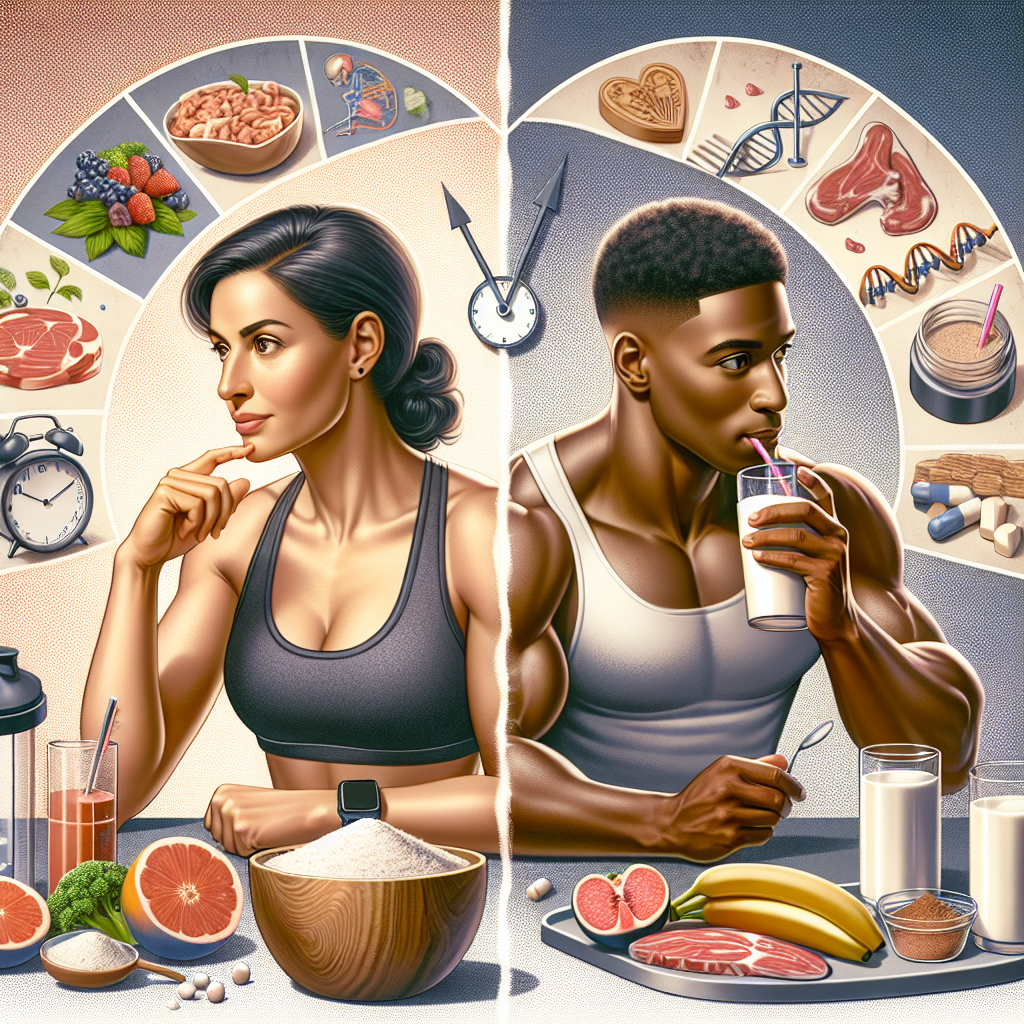
Smart nutrition around your workout can boost performance, preserve lean mass, and speed recovery. Here’s what the research and major sports-nutrition bodies recommend, with practical examples you can use today.
Note: Adjust portions to your body size, goals, and tolerance. If you live with a medical condition (e.g., diabetes, kidney disease) or take medications, consult a clinician or sports dietitian.
Quick take
- Before: Emphasize carbs for energy and a moderate dose of protein; go lighter on fat and fiber close to training to reduce GI upset.
- During (if sessions exceed ~60 minutes or are very intense): Take in carbohydrate and fluids; add sodium if you’re a salty/heavy sweater.
- After: Rehydrate, replace electrolytes, eat protein to support muscle repair, and replenish carbs if you train again soon.
- Daily totals matter most; timing fine‑tunes performance and recovery.
Before your workout
Goals: Arrive fueled, hydrated, and with a calm stomach.
Timing and amounts
- 3–4 hours pre: 1–4 g carbohydrate per kg body mass, plus a normal serving of protein; include some fat and fiber if you tolerate them well this far out.
- 1–2 hours pre: 1 g/kg carbohydrate; 0.2–0.4 g/kg protein; keep fat and fiber modest.
- 15–60 minutes pre: 15–30 g fast-digesting carbs; optional small protein serving if it sits well. Avoid high fat/fiber.
Hydration: Drink about 5–10 mL/kg of fluid in the 2–4 hours before exercise; add sodium (e.g., 300–600 mg) if you’re a salty/heavy sweater or the environment is hot/humid.
If you train first thing in the morning
- Can’t eat much? Try 15–30 g easy carbs (half a banana, applesauce pouch, a few chews) and a few sips of fluid.
- For short high-intensity work, a carbohydrate mouth rinse can give a small performance boost without swallowing.
Ergogenic aids (optional)
- Caffeine: 1–3 mg/kg (up to 3–6 mg/kg) about 60 minutes pre can improve endurance and high-intensity efforts.
- Dietary nitrate (beetroot): Effective for some endurance events; typically taken 2–3 hours pre (or as a daily load).
Pre-workout meal and snack ideas
- 3–4 hours pre:
- Grilled chicken, rice, and cooked vegetables; yogurt with fruit.
- Oats with milk, banana, peanut butter; boiled eggs on the side.
- Tofu stir-fry with jasmine rice; edamame.
- 1–2 hours pre:
- Greek yogurt with honey and berries; granola.
- Turkey sandwich on sourdough; fruit.
- Smoothie: milk or soy milk, banana, oats, and whey/plant protein.
- 15–45 minutes pre:
- Banana or applesauce pouch; sports drink or a gel with water.
- Toast with jam; a few carb chews.
During your workout
Most strength sessions under 60 minutes don’t need intra-workout carbs; sip water to thirst. Endurance or intermittent high-intensity sessions benefit from fueling.
- Lasting 60–150 minutes: 30–60 g carbohydrate per hour (sports drink, gels, chews, bananas).
- Longer than ~2.5 hours: up to ~90 g/h using multiple transportable carbs (glucose + fructose).
- Fluids: Aim to limit body mass loss to ~2% or less; include sodium especially for heavy/salty sweaters or in heat.
After your workout
Goals: Rehydrate, repair muscle, and refill glycogen stores (especially if training again within 8–24 hours). The “anabolic window” is bigger than once thought; if you ate pre-workout, getting a good meal within ~2–3 hours is fine.
Protein
- Target 0.25–0.40 g/kg high-quality protein (about 20–40 g for most), containing 2–3 g leucine.
- Distribute protein across the day (3–5 meals) for best muscle protein synthesis.
- Casein (30–40 g) before sleep can support overnight recovery, especially after evening training.
Carbohydrate
- If you have another hard session the same day or early next day: 1.0–1.2 g/kg per hour for the first 1–4 hours, or simply a high‑carb meal soon after.
- If recovery time is >24 hours and performance isn’t a near-term priority, meet daily carb needs without urgency.
Hydration and electrolytes
- Weigh pre/post when feasible. Replace roughly 1.25–1.5 L of fluid per kg of body mass lost.
- Include sodium (e.g., 500–700 mg per liter of fluid, or salty foods) to help retain fluid and restore balance.
Post-workout meal ideas
- Eggs, whole-grain toast, fruit; glass of milk or fortified soy milk.
- Rice bowl with salmon or tofu, mixed vegetables, and soy sauce.
- Chocolate milk plus a turkey wrap; or a tofu/tempeh wrap.
- Smoothie: milk/yogurt (or soy yogurt), banana, berries, oats, and protein powder.
- High-fiber or higher-fat foods are fine post-exercise if they agree with you; they won’t “block” gains, but very high fat can slow gastric emptying.
Tailor to your goal
- Max performance or two-a-days: Prioritize carbs before/during/after; practice your race-day fueling to train the gut.
- Muscle gain: Hit total daily protein (1.6–2.2 g/kg/day) and energy needs; space protein doses (0.25–0.40 g/kg) across 3–5 meals, including post-workout.
- Fat loss: Keep protein high for satiety and lean mass; use smaller, lower-fat/fiber pre-workout snacks to keep calories modest while maintaining performance.
- Plant-based: Choose soy, pea, or mixed plant proteins; ensure sufficient leucine (2–3 g) by dose size or blends; include iron/B12 sources if needed.
- Sensitive gut: Go lower in fiber, fat, and FODMAPs close to training; choose “white” grains, ripe bananas, rice, potatoes, and sports products that sit well.
Strength vs. endurance: any differences?
- Strength/power: Pre-training carbs help high-intensity work; protein timing is flexible but convenient post-lift. During-session carbs rarely needed unless very long sessions.
- Endurance/team sports: Carb availability is critical; follow the during-exercise carb guidelines by duration, and prioritize rapid carb + fluid + sodium post if a quick turnaround is needed.
Key numbers at a glance
- Pre (1–4 h): 1–4 g/kg carbs; ~0.2–0.4 g/kg protein; low-moderate fat/fiber; 5–10 mL/kg fluid 2–4 h pre.
- During: 30–60 g carbs/h for 1–2.5 h; up to ~90 g/h with glucose+fructose for longer; include sodium as needed.
- Post: 0.25–0.40 g/kg protein; 1.0–1.2 g/kg/h carbs if rapid recovery needed; 1.25–1.5 L/kg fluid lost plus sodium.
- Caffeine: 1–3 mg/kg (up to 3–6 mg/kg) ~60 min pre, if tolerated.
References and further reading
- American College of Sports Medicine, Academy of Nutrition and Dietetics, Dietitians of Canada. Nutrition and Athletic Performance (2016/2018 update): PubMed
- International Olympic Committee Consensus Statement on Sports Nutrition (2010, 2016, 2018): BJSM 2018
- ISSN Position Stand: Protein and Exercise (2017/2018/2022): JISSN
- Jeukendrup AE. Carbohydrate intake during exercise and performance (2014/2017 reviews): PMC
- Burke LM, Hawley JA. Swifter, higher, stronger: nutrition for athletes (2018): Annual Review of Nutrition
- Hydration guidelines (ACSM): Position Stand and update