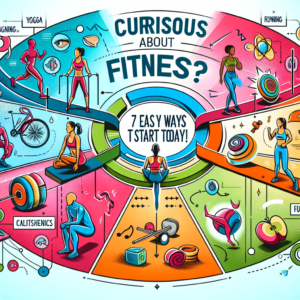

Movement is more than muscle. It’s one of the most accessible, evidence-based tools we have for managing stress, anxiety, and mood—no special equipment required.
Why Exercise Helps Your Mind
Exercise influences the brain and body in ways that directly counter stress and support mental well-being:
- Neurochemical balance: Physical activity can increase endorphins and support dopamine, serotonin, and norepinephrine—neurotransmitters tied to mood, motivation, and focus.
- Stress system “reset”: Regular movement helps regulate the HPA axis and cortisol rhythms, improving your capacity to handle stress.
- Brain plasticity: Exercise boosts BDNF (brain-derived neurotrophic factor), which supports learning, memory, and resilience.
- Anti-inflammatory effects: Lower baseline inflammation is linked with better mental health outcomes.
- Better sleep and energy: Consistent activity improves sleep quality and circadian rhythm, easing daytime fatigue and irritability.
- Less rumination, more control: Movement can interrupt worry loops, enhance self-efficacy, and create a sense of accomplishment.
- Social and nature boosts: Group activities and outdoor time add mood benefits via connection and light exposure.
Research shows exercise can be as effective as first-line treatments for mild to moderate depression and helpful for anxiety and stress. It’s not a replacement for professional care when needed, but it’s a powerful partner.
What “Counts” as Exercise?
More than you might think. The goal is to move your body in ways that feel doable and safe.
- Aerobic: Brisk walking, cycling, dancing, swimming, jogging
- Strength: Bodyweight exercises, resistance bands, weights
- Mind–body: Yoga, tai chi, Pilates, qigong
- Everyday movement: Housework, yard work, taking stairs, short walking breaks
- Micro-doses: 1–10 minute “movement snacks” several times per day
How Much Is Enough?
For general health, many guidelines recommend one of the following each week:
- 150–300 minutes of moderate-intensity activity, or
- 75–150 minutes of vigorous activity, or
- A mix of both, plus 2+ days of strength training
For mental health, benefits begin even with small amounts—5–10 minutes can reduce physiological arousal and improve mood. Consistency matters more than perfection.
Match Your Movement to Your Mood
- Feeling anxious or “amped”: Rhythmic, steady activities (walking, cycling), breath-led practices (yoga, tai chi), longer exhale breathing.
- Feeling low or foggy: Light-to-moderate aerobic activity outdoors, short intervals that gradually raise heart rate, music-supported movement.
- Stressed and tense: Gentle mobility or stretching, slow strength sets, a 10–20 minute walk.
- Restless with limited time: 5–10 minute movement snacks throughout the day.
Getting Started Safely
- Check in with your body: If you have a medical condition, are pregnant/postpartum, or have been inactive, consider a clinician’s guidance.
- Start low, build slow: Begin with 5–15 minutes and add 5 minutes per week as tolerated.
- Pain vs. discomfort: Gentle muscle fatigue is okay; sharp or joint pain is a sign to modify or stop.
- Warm up and cool down: 3–5 minutes of easy movement before and after helps your nervous system transition.
- Hydrate and fuel: Especially for longer or higher-intensity sessions.
Make It Stick: Behavior Strategies
- Start tiny: A daily 7-minute walk is better than a perfect plan you never start.
- Link to existing habits: “After I make coffee, I’ll do 10 squats or a 3-minute stretch.”
- Reduce friction: Lay out shoes, schedule calendar alerts, choose nearby or at-home options.
- Plan for obstacles: Have a rainy-day plan and a 5-minute backup routine.
- Track mood, not just minutes: A quick 1–10 rating before and after builds motivation.
- Be social (if helpful): Walk-and-talk calls, classes, or a buddy increase accountability.
- Practice self-compassion: Missed days are data, not failure. Resume with the smallest step.
Sample Week (Flexible)
- Mon: 15–20 min brisk walk + 5 min gentle stretching
- Tue: 20–30 min strength (full-body, bodyweight) + 5 min breathing
- Wed: 10 min mobility + 10–20 min easy cycling or walk
- Thu: 20–30 min yoga or tai chi
- Fri: 20–25 min intervals (e.g., 1 min fast, 2–3 min easy, repeat) adjusted to comfort
- Sat: Outdoors: hike, dance, or sport (time and intensity as you feel)
- Sun: Restorative stretch, nature walk, or complete rest
Modify based on energy, schedule, and preferences. Even two sessions per week can help when you’re starting out or during stressful periods.
Quick Routines for Busy Days
- 5-minute reset: 2 minutes easy walking in place, 1 minute bodyweight squats, 1 minute shoulder rolls and neck stretches, 1 minute slow breathing.
- Desk decompressor (3–6 minutes): Standing calf raises, wall push-ups, hip openers, 10 long exhale breaths.
- Low mood energizer (8–10 minutes): March in place, light stair climbs, gentle shadow boxing, finish with a short walk outside if possible.
Special Considerations
- Older adults: Prioritize balance, mobility, and strength; shorter, frequent sessions work well.
- Teens: Keep it fun and social; sports, dance, and short bodyweight circuits are great.
- Pregnant/Postpartum: Favor low- to moderate-intensity movement; consult a clinician for individualized guidance.
- Chronic conditions or pain: Low-impact, graded activity and pacing strategies can reduce flares; consider professional input.
- Trauma-informed approach: Emphasize choice, slow pacing, and grounding; avoid overstimulating environments.
- History of disordered eating or exercise compulsion: Seek guidance to ensure movement supports recovery and isn’t used for compensation or punishment.
When to Seek Help
- Persistent low mood, loss of interest, or anxiety that interferes with daily life
- Thoughts of self-harm or suicide—seek immediate help
- Exercise consistently worsens anxiety or becomes compulsive
- Chest pain, severe shortness of breath, dizziness, or injury during activity
Exercise complements—not replaces—professional mental health care. Therapy, medication, and social support can work alongside movement for better outcomes.
Measure What Matters
- Mood check-ins: Rate stress, mood, and energy before and after activity.
- Sleep and focus: Note changes in sleep quality and concentration.
- Functionality: Track daily tasks that feel easier: mornings, work, parenting, socializing.
Key Takeaways
- Any movement helps—start small and build gradually.
- Consistency beats intensity for mental health benefits.
- Match the type of exercise to how you feel that day.
- Use behavior strategies to make movement automatic and enjoyable.
- Combine exercise with professional support when needed.
Stress less doesn’t mean do less—it means move with intention. One small bout of movement today can shift your mood, your sleep, and your sense of control.
Disclaimer
This article is for educational purposes and does not replace personalized medical or mental health advice. Consult a qualified professional for guidance tailored to your needs.