
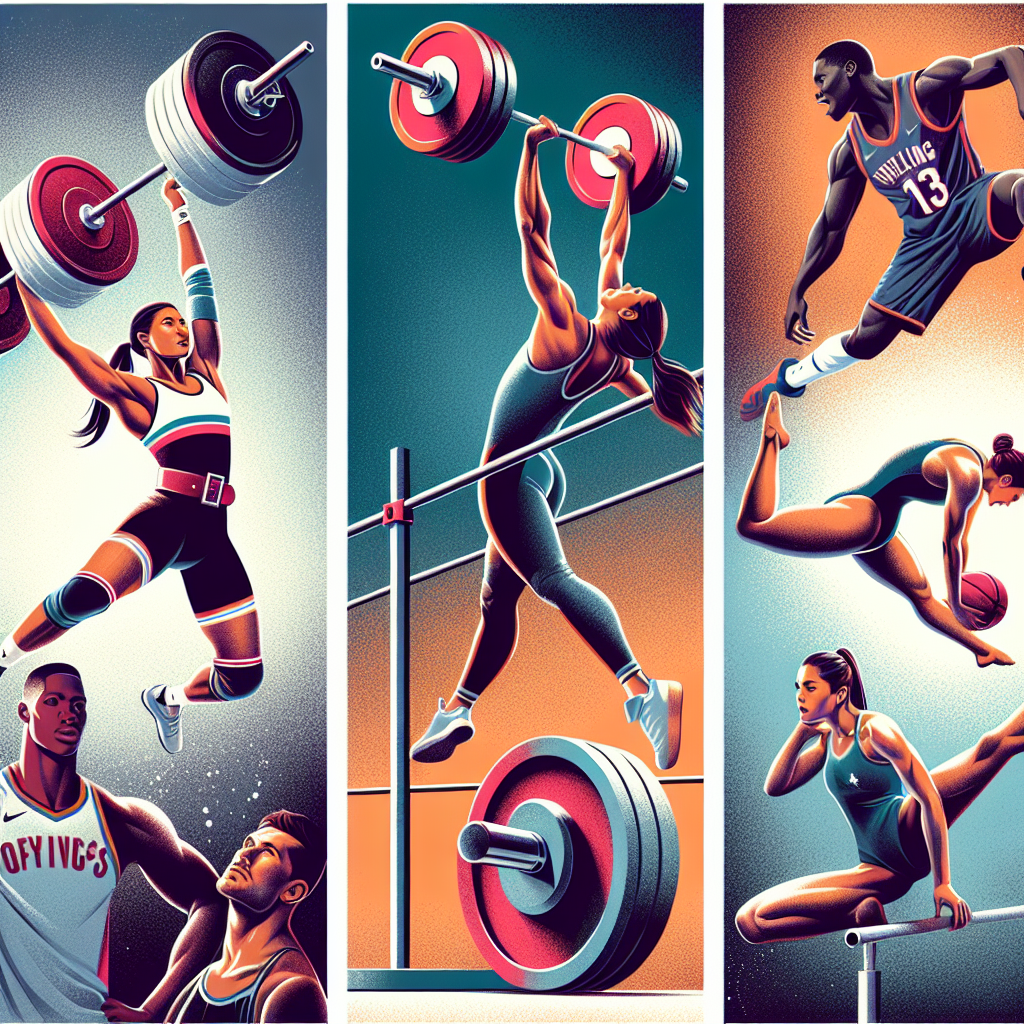
Evidence-informed guidelines for athletes, coaches, and active adults
Why Strength Standards Matter
Strength standards help you:
- Identify the minimum strength needed to play safely and perform well
- Prioritize what to train next without wasting time
- Benchmark progress without chasing numbers that don’t transfer to your sport
Key Concepts Before the Numbers
- Relative vs. absolute strength: Most field, court, and combat sports care more about strength per kilogram of body mass than about total load lifted.
- Movement patterns matter: Squat, hinge, push, pull, lunge, rotate, and brace beat lift-specific PRs if the goal is performance.
- Transfer over totals: If a bigger lift doesn’t make you faster, more durable, or more skillful, it’s a detour.
- Strength ceilings: The return on strength eventually flattens; push power, speed, and skill once minimums are hit.
How to Test Safely
- Use a well-coached 3–5RM and estimate 1RM rather than maxing often.
- Only test movements you can perform with consistent depth, bracing, and control.
- Warm up thoroughly; stop sets before form breaks down.
- Useful estimate:
e1RM = load × (1 + reps/30)(Epley).
General Athlete Strength Benchmarks
Before sport-specific goals, aim for a solid base. Hitting most of the following puts you in a good place to specialize:
- Back squat: 1.5× BW
- Deadlift: 2.0× BW
- Bench press: 1.0–1.25× BW
- Overhead press: 0.6–0.75× BW
- Chin-ups: 10–15 strict, full range
- Single-leg strength: Bulgarian split squat 0.5× BW for 6–8 reps each side
- Core: Side plank 60–90s each side; anti-rotation press solid at a band/cable setting you can control for 10–12 reps
These are not ceilings. Once achieved, shift emphasis to explosiveness, speed, and sport skill while maintaining strength.
Sport-Specific Standards
1) Powerlifting
The sport is strength itself. Targets vary by weight class and training age, but broad tiers:
- Competency: SQ 1.75× BW, BP 1.25× BW, DL 2.25× BW
- Advanced: SQ 2.25× BW, BP 1.5× BW, DL 2.75× BW
- Elite: Higher yet, strongly dependent on weight class and federation rules
2) Olympic Weightlifting
Technical and speed-dominant. Useful ratios:
- Snatch ≈ 60–70% of back squat; Clean & Jerk ≈ 75–85% of back squat
- Back squat: 2.0× BW is a common strength base for advanced lifters
- Front squat: 85–90% of back squat
3) CrossFit / Functional Fitness
- Back squat: 1.75–2.0× BW
- Deadlift: 2.25× BW
- Bench press: 1.25× BW (varies in programming)
- Snatch: 1.0× BW; Clean & Jerk: 1.25× BW
- Gymnastics: 10 strict HSPU; 5+ ring muscle-ups; 15–20 strict pull-ups
4) Field and Contact Sports (American Football, Rugby)
- Back squat: 2.0× BW (1.6–1.75× for big linemen/forwards in-season)
- Deadlift or trap-bar deadlift: 2.25–2.75× BW
- Bench press: 1.25–1.5× BW
- Power clean: 1.1–1.3× BW
- Chin-ups: 10–15 strict (8+ for heavier positions)
5) Field Sports with High Running Loads (Soccer, Lacrosse, Field Hockey)
- Back squat: 1.5–1.8× BW
- Deadlift: 2.0–2.25× BW
- Bench press: 1.0–1.25× BW
- Unilateral strength: Split squat 0.5–0.6× BW for 6–8 reps/side
- Chin-ups: 10–15 strict
6) Court Sports (Basketball, Volleyball)
- Back squat: 1.5–1.8× BW
- Deadlift or trap-bar deadlift: 2.0× BW
- Bench press: 1.0–1.25× BW
- RDL: 1.25–1.5× BW for 5 reps
- Jump strength: Trap-bar jump with 0.3–0.6× BW achieving clear takeoff
7) Endurance Sports (Running, Cycling, Triathlon)
Goal: durability and economy, not chasing heavy PRs.
- Back squat: 1.25–1.5× BW
- Deadlift: 1.5–1.75× BW (hip hinge capacity > max load)
- Bench press: 0.7–0.9× BW
- Split squat: 0.5–0.6× BW for 6–8 reps/side
- Chin-ups: 8–12 strict
- Calf-raise: bodyweight for 25+ smooth reps each leg
8) Combat Sports (BJJ, Wrestling, MMA, Boxing)
- Back squat: 1.5–2.0× BW
- Deadlift: 2.0× BW
- Bench press: 1.0–1.25× BW
- Chin-ups: 15+ strict; weighted chin-up with +0.25–0.5× BW for 1–3 reps
- Grip: Timed hangs 45–60s; farmer carry 0.75× BW per hand for 20–30 m
9) Climbing and Bouldering
Relative pulling and finger strength dominate.
- Pull-ups: 12–20 strict
- Weighted pull-up: +0.25–0.5× BW for 1–3 reps
- Dead-hang: 20 mm edge for 10–20s (experienced climbers)
- Antagonist balance: 10–15 push-ups with full scapular control; ring row 10–12
10) Gymnastics / Calisthenics
- Strict HSPU: 5–10
- Ring dips: 10 solid reps
- Chin-ups: 15–20 strict
- Core: L-sit 30–60s; hollow/arch holds 60s
- Lower body: Pistol squat 5–8/leg with control
11) Rowing and Swimming
- Front squat: 1.25–1.5× BW
- Deadlift: 1.75–2.0× BW
- Horizontal pull: Prone row near bodyweight for 1–3 reps or 0.6–0.8× BW for 5–8
- Shoulder health: External rotation at 90° abduction 10–15 smooth reps per side (light load, perfect control)
12) Tennis, Baseball/Softball, Throwing Sports
Rotational power and asymmetry management are priorities.
- Back squat: 1.5× BW
- Deadlift: 2.0× BW or trap-bar 2.0× BW
- Bench press: 0.9–1.1× BW (don’t let pressing outpace pulling)
- Single-arm row: 0.3–0.5× BW for 8–10 reps
- Anti-rotation: 10–12 strong Pallof presses per side
Position, Sex, and Age Adjustments
- Positions with higher body mass (linemen, rugby forwards) emphasize absolute strength; skill positions bias relative strength and speed.
- Sex differences are most pronounced in upper-body pressing; relative lower-body strength targets are closer. Use the same patterns; progress at your rate.
- Masters athletes: maintain joint-friendly ranges, prioritize unilateral work and isometrics; aim for the lower end of ranges and extend deload frequency.
When to Stop Adding Weight and Shift Focus
- Speed stops improving even as lifts rise
- Fatigue from heavy lifting blunts skill quality or conditioning
- Injury niggles increase with small strength gains
- You’re above the upper end of your sport’s range
At that point, maintain strength with lower volume and push velocity, power, and skill.
Programming Priorities to Hit These Standards
- Train each main pattern 1–2×/week; 8–15 hard sets per pattern per week works for most.
- Use 3–6 reps for strength, 6–10 for hypertrophy, and explosive work at 20–60% 1RM where relevant.
- Progress with small load jumps or added reps while keeping 1–3 reps in reserve most sessions.
- In-season: maintain with 1 hard session/week and 1 lighter primer; keep sessions short.
FAQ
Do I need to back squat and barbell deadlift?
No. Patterns matter more than exercises. Front squats, safety-bar squats, trap-bar deadlifts, split squats, RDLs, and heavy kettlebell work can all build the required qualities.
What if I’m below the range?
Build gradually. Two full-body strength sessions per week for 12–16 weeks will usually move you into the target zone.
Can I be too strong for my sport?
You can be too focused on max strength. After minimums, prioritize rate of force development, reactive strength, conditioning, and skill.
Bottom Line
Hit the minimums that matter for your sport, then shift emphasis to power, speed, and skill while maintaining strength. Strong enough to perform, fresh enough to practice, and resilient enough to stay on the field beats the biggest total in the weight room.