
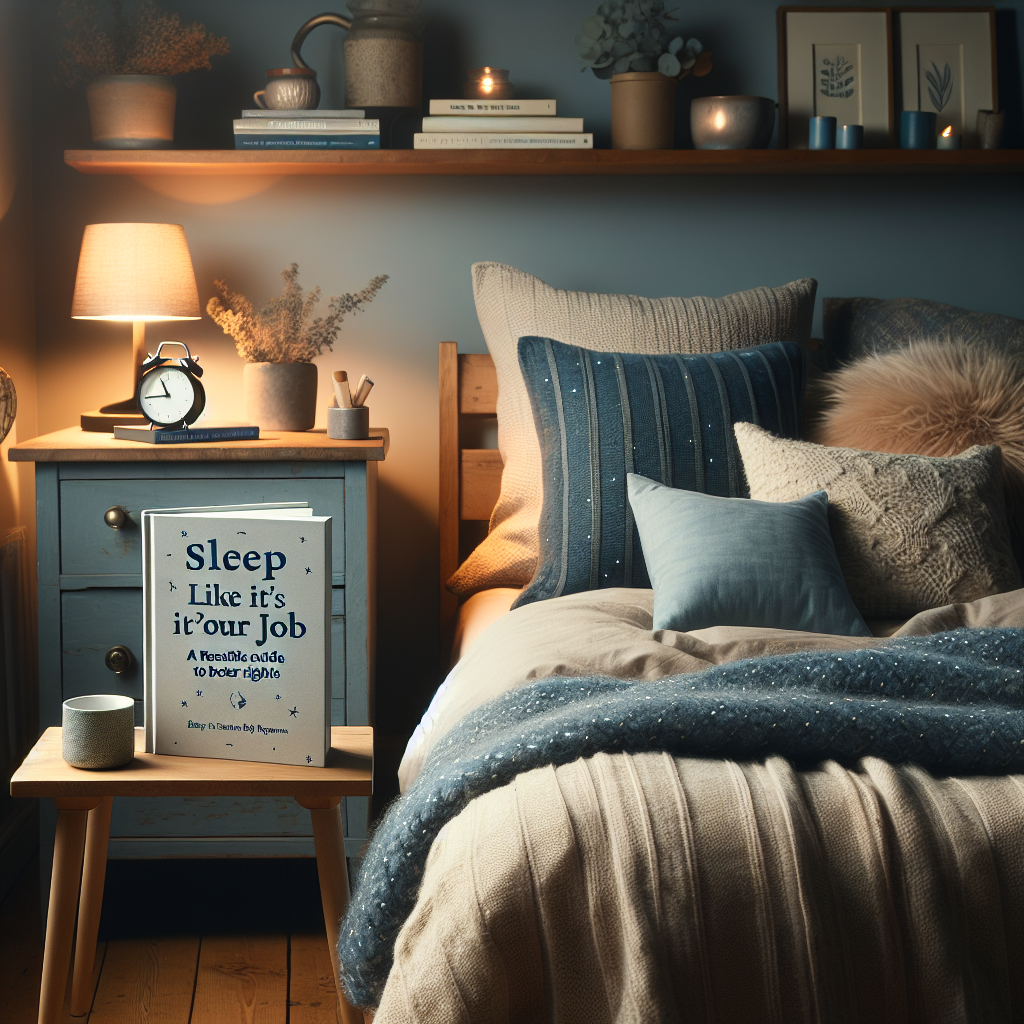
Better sleep isn’t about perfection—it’s about repeatable habits that work most days. This guide gives you practical steps you can actually keep.
Why sleep matters (and what “good” looks like)
Sleep powers attention, mood, metabolism, immune function, memory, and physical performance. Most adults do best with 7–9 hours in bed, but quality and consistency matter as much as total time.
Signs your sleep is “good enough” most days:
- You fall asleep within 15–30 minutes.
- You wake once or twice briefly, if at all.
- You feel alert by mid-morning without relying on endless caffeine.
- Your schedule is fairly consistent (within ~1 hour) across the week.
Perfection isn’t the goal. Aim for 80% good nights and a plan for the inevitable 20%.
Start here: a one-week reset
- Pick a fixed wake-up time you can keep 7 days a week. Protect it.
- Get outside for 10–30 minutes of daylight within an hour of waking (longer if overcast).
- Limit time in bed to roughly how much you’re actually sleeping now + 30 minutes (not less than 6 hours). Adjust by 15–30 minutes every few days as your sleep consolidates.
- Set a 30–60 minute wind-down window before bed: dim lights, quiet tasks, same order each night.
- Park worries: write tomorrow’s to-dos, set reminders, and close the list.
This “reset” strengthens your body clock and re-associates bed with sleep, not frustration.
Lock in your schedule
- Pick a realistic sleep window (for most, 7.5–8.5 hours in bed).
- Keep wake time consistent, even on weekends. If you sleep in, cap it at 60 minutes.
- If you’re awake in bed for ~20 minutes, get up and do something calm in low light. Return when sleepy. This breaks the “bed = awake” loop.
- Don’t try to “win” sleep. Aim for “good enough” and let sleep happen.
Build a wind-down that actually works
Last hour before bed: low stimulation, predictable sequence, dim light.
- Examples: warm shower, light stretching, paper book, journaling, gentle music, breathing practice.
- Avoid: intense work, arguments, bright overhead lights, doom-scrolling, heavy exercise inside 2 hours of bed.
- Try a “brain dump” list and a quick gratitude note to shift mental gears.
Fix your sleep environment
- Dark: Use blackout curtains or a comfy eye mask. If you can see your hand clearly, it’s probably too bright.
- Cool: 60–67°F (15–19°C) is ideal for most. Use breathable bedding; warm hands/feet if needed.
- Quiet: Earplugs or white/pink noise can help. Consistent, low noise is better than silence if your room is noisy.
- Comfort: Supportive mattress and pillows; minimize clutter and screens. Keep pets out if they wake you.
- Only two activities in bed: sleep and intimacy. Keep work and TV elsewhere when possible.
Caffeine, alcohol, food, and nicotine
- Caffeine: Set a cutoff 8–10 hours before bedtime. Remember hidden sources (tea, soda, chocolate, pre-workout).
- Alcohol: It may help you doze off but fragments sleep and cuts REM. If you drink, finish 3–4 hours before bed and limit total intake.
- Food: Big, spicy, or fatty meals within 2–3 hours of bed can disrupt sleep. A light carb-protein snack is fine if you’re hungry.
- Fluids: Taper the last 2 hours if you wake to pee.
- Nicotine: It’s a stimulant; avoid it late and consider support to reduce or quit.
Movement and daylight
- Morning light: 10–30 minutes outside sets your internal clock. Midday light is a helpful bonus.
- Exercise: 150+ minutes/week of moderate activity improves sleep. Finish intense workouts at least 3 hours before bed; gentle movement is fine later.
- Afternoon dip: If you feel sleepy mid-afternoon, a short walk in daylight can beat the slump better than late caffeine.
Quiet the mind (without chasing sleep)
When your mind races, the goal isn’t to force sleep—it’s to reduce arousal.
- Breathing: Try 4–6 breaths per minute (for example, inhale 4, exhale 6) for 5 minutes.
- Progressive relaxation: Gently tense then relax muscle groups from toes to head.
- Attention anchors: Count backwards by 3s from 300, or visualize a familiar, calm place.
- Write it down: If worries loop, jot them on a notepad and tell yourself, “scheduled for morning.”
- If you’re still awake after ~20 minutes, leave the bed and do a low-light, low-stimulation activity until sleepy.
Smart napping and weekends
- Naps: Keep them short (10–25 minutes) and early (before 3 p.m.) to protect nighttime sleep.
- Bad night? Don’t overcorrect. Keep your wake time, get daylight, skip or keep naps very short, and go to bed at your usual time when sleepy.
- Weekends: Try not to drift more than ~1 hour. Social jet lag makes Mondays harder.
Tech, screens, and light at night
- Dim lights 1–2 hours before bed; favor lamps over overheads. Warm color temperatures are easier on melatonin.
- Use night-shift modes or blue-light filters on devices after sunset. Better yet, switch to non-screen activities in your wind-down window.
- Keep the phone out of arm’s reach or in another room; use a basic alarm clock if you can.
Travel and shift work
Jet lag
- Eastward travel: Shift earlier. Morning light at your destination and a small melatonin dose (0.3–1 mg) 4–6 hours before your target bedtime for a few nights can help.
- Westward travel: Shift later. Evening light exposure and a small melatonin dose near local bedtime for a few nights can help.
- Hydrate, move regularly, and nap briefly on arrival if needed (10–20 minutes).
Shift work
- Anchor sleep: Keep at least a core block (e.g., 4–5 hours) at the same time daily, even on off days.
- Use bright light during the first half of night shifts; wear dark glasses on the commute home; keep the bedroom dark and cool.
- Strategic naps before night shifts (20–90 minutes) can boost alertness.
Supplements: what’s worth considering
Start with behavior and environment first. If you try supplements, use the lowest effective dose and discuss with a clinician, especially if pregnant, on medications, or managing conditions.
- Melatonin: Best for circadian shifts (jet lag, delayed sleep phase). Low dose (0.3–1 mg) 1–2 hours before desired bedtime or as noted above for travel.
- Magnesium glycinate or citrate: Some find 100–200 mg in the evening relaxing; evidence is modest.
- Glycine: 3 g 30–60 minutes before bed may slightly improve subjective sleep quality for some.
- Be cautious with antihistamines or alcohol-based “nightcaps”—they can impair sleep quality and next-day function.
When to seek help
Talk to a healthcare professional if you notice:
- Persistent insomnia (trouble falling or staying asleep) 3+ nights/week for 3+ months.
- Loud snoring, witnessed breathing pauses, gasping, morning headaches, uncontrolled blood pressure, or excessive daytime sleepiness—possible sleep apnea.
- Urge to move legs at night with uncomfortable sensations (possible restless legs syndrome).
- Parasomnias (sleepwalking, acting out dreams) or severe nightmares.
Cognitive Behavioral Therapy for Insomnia (CBT-I) is first-line for chronic insomnia and is available via trained clinicians and reputable digital programs.
5-minute nightly checklist
- Tomorrow’s wake time set and consistent.
- Lights dimmed; screens minimized or filtered.
- Room cool, dark, quiet; phone away from bed.
- Last caffeine was 8–10 hours ago; last heavy meal 2–3 hours ago; alcohol done 3–4 hours ago.
- Wind-down routine ready: one relaxing activity, one “brain dump.”
Remember: Sleep rewards consistency. Treat it like your job, show up for the schedule, and let the results follow.

