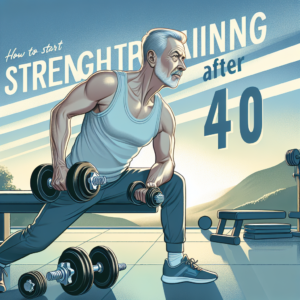

What if movement felt like nourishment instead of a chore? Joyful movement reframes exercise as a way to care for your mind and body—no punishment, no perfection, and no single “right” way to move.
What Is Joyful Movement?
Joyful movement is any physical activity you choose because it feels good during or after, aligns with your values, and fits your life. It emphasizes curiosity and connection over metrics and appearance. You can still train hard if that brings you joy, but the driver is internal: energy, mood, connection, play, mastery, peace.
Move in ways that add to your life, not subtract from it.
Why It Feeds Your Mind
Movement changes your brain—often within minutes. Here’s how:
- Mood: Aerobic and rhythmic activities can boost endorphins and endocannabinoids, often improving mood in a single session.
- Stress relief: Movement helps regulate the stress response and supports vagal tone, making it easier to return to calm.
- Focus and cognition: Exercise increases blood flow to the brain and supports neuroplasticity via BDNF, aiding learning and memory.
- Sleep: Regular activity improves sleep quality and helps you fall asleep faster.
- Resilience: Completing manageable physical challenges builds confidence you can carry into daily life.
Crucially, you don’t need long workouts to benefit—short, gentle “movement snacks” sprinkled through the day can steady mood and focus.
Find Your Joy: A Quick Self-Scan
Follow your preferences
- Do you like rhythm and music, or quiet nature?
- Do you enjoy learning skills, or zoning out?
- Solo time or social energy?
- Indoor predictability or outdoor variety?
Design for feelings
- Want to feel calm? Try walking, yoga, or gentle cycling.
- Want to feel powerful? Try strength training or martial arts.
- Want to feel playful? Try dance, games, or sports.
- Want clarity? Try a brisk walk without your phone.
Ways to Move That Feed the Mind
Rhythmic
- Walking with music or a podcast
- Cycling or rowing at a steady pace
- Dancing in your kitchen
Grounding
- Yoga or tai chi
- Slow mobility flows
- Stretching with breath
Empowering
- Strength training with bodyweight or bands
- Pilates
- Climbing or functional drills
Playful
- Pick-up games or frisbee
- Hula hoop, jump rope
- Recreational classes
Everyday
- Gardening or yard work
- Dancing while cooking
- Taking the stairs, walking meetings
Restorative
- Gentle swims
- Nature strolls
- Breath-led mobility
Make It Stick: Compassionate Habits
- Start tiny: Commit to 5–10 minutes. Make the “floor” low and the “ceiling” high.
- Stack it: Attach movement to an existing routine—after coffee, post-lunch, before a shower.
- Remove friction: Keep shoes by the door, playlists ready, a mat visible.
- Use mood cues: Have a calm playlist and an energizing one. Choose based on how you want to feel.
- Track what matters: Note “energy, mood, stress” before and after. Let feelings be your feedback loop.
- Respect recovery: Rest is part of training. Alternate intensities and sleep well.
Inclusive, Body-Respectful Movement
- Body neutrality: You don’t have to love your body to care for it. Focus on function and feelings.
- Adaptations welcome: Seated, supported, aquatic, or assistive-device options are valid and effective.
- Chronic pain/illness: Pace gently, increase one variable at a time (time, frequency, or intensity), and use flare plans.
- Trauma-informed: Choose predictability, consent-based classes, and instructors who respect boundaries.
- Cycle-aware: Energy fluctuates—adjust intensity across the month if you menstruate.
- All sizes and ages: Fitness is a behavior, not a look. Joy belongs to every body.
Try This 10-Minute Joy Break
- 60 seconds: Breathe and check in. How do you want to feel after—calm, focused, energized?
- 2 minutes: Gentle mobility—neck rolls, shoulder circles, cat–cow, ankle rolls.
- 5 minutes: Pick one:
- Calm: Slow walk, nasal breathing, notice five things you see/hear/feel.
- Focus: Brisk walk, marching in place, or light cycling.
- Energize: Two rounds of 30 seconds each—squats, wall push-ups, marching; rest 30 seconds between.
- 2 minutes: Downshift—box breathing (inhale 4, hold 4, exhale 4, hold 4) and easy stretching.
Note your after-feelings in one word. That’s your success metric.
A Gentle, Flexible Week
Use this as a template—swap any activity that sounds more fun.
- Mon: 20–30 min walk with music or a friend
- Tue: 15–25 min strength circuit (squats, hinges, pushes, pulls, carries)
- Wed: Restorative yoga or mobility, 15 min
- Thu: Intervals (5 x 1 min brisk, 1–2 min easy) via walking, cycling, or swimming
- Fri: Play—dance, class, or casual sport, 20–40 min
- Sat: Nature time—hike, park stroll, or gardening
- Sun: Rest or gentle stretch; plan your next joyful moments
Track What Matters: The Joy Meter
After each session, rate each item 0–5:
- Mood lift
- Stress relief
- Energy
- Pain/strain (reverse score)
- Fun
Keep what scores high, adjust what doesn’t. This keeps movement aligned with your mind’s needs.
Helpful Tools (Optional)
- Playlists or nature sounds
- Timer or interval app
- Simple log: a note on your phone with three fields—Before, After, Notes
- Step counter only if it motivates without pressure—joy over numbers
The Takeaway
Joyful movement is not about earning rest or changing your body—it’s about meeting yourself where you are and leaving yourself better than you started. Start small, stay curious, and let how you want to feel guide what you do. Your mind will thank you.