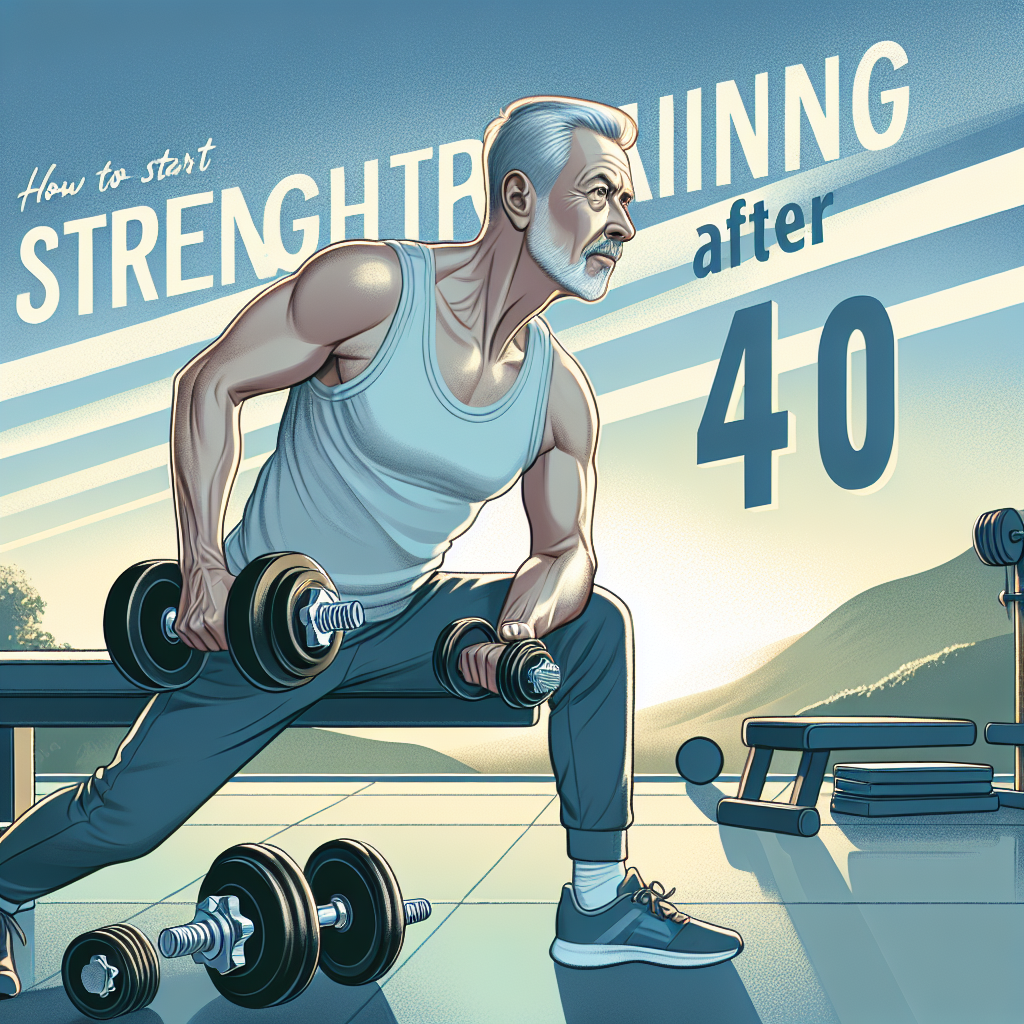
Build strength, protect your joints and bones, and feel great—safely and efficiently.
Why Strength Training After 40 Matters
- Preserves and builds muscle mass that gradually declines with age.
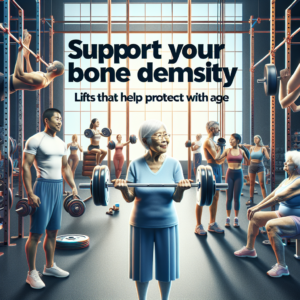
- Improves bone density, lowering fracture risk.
- Boosts metabolism and supports healthy weight management.
- Enhances insulin sensitivity and heart health.
- Supports joint stability, balance, and mobility.
- Improves mood, cognition, confidence, and independence.
Good news: you can make significant progress at any age. With a smart plan, your body adapts quickly.
Health Check & Baseline
This guide is general information and not medical advice. If you have medical conditions, are on medications, or have a history of cardiovascular issues, consult your clinician before starting.
Red flags to clear with a clinician first
- Chest pain, unexplained shortness of breath, dizziness, or fainting
- Uncontrolled blood pressure, recent surgery, or new/worsening pain
- Diabetes with complications, or any condition your clinician is monitoring
Simple at-home baseline checks
- Chair squat: sit-to-stand x 10 with control
- Push strength: 8–12 wall or counter push-ups
- Balance: single-leg stand 10–20 seconds each side
- Carry: hold two grocery bags and walk 30–60 seconds
These help guide your starting level and track progress later.
Core Training Principles
- Start low, progress slow: add a little each week.
- Frequency: 2–3 full-body sessions per week.
- Intensity: choose a weight you can control, leaving 2–3 reps in reserve (RIR). Target effort about 6–7/10.
- Volume: start with 6–10 total sets per major muscle group per week.
- Rest: 60–120 seconds between sets; longer for heavier sets.
- Tempo: controlled lowering (2–3 seconds), smooth lifting.
- Progression: when you can do 2 extra reps above the target range in two sessions, increase weight slightly (2–5%).
- Movement patterns: squat, hinge, push, pull, carry, and core (bracing, anti-rotation).
Equipment Options
- Bodyweight: squats to chair, push-ups on wall/counter, planks, bridges.
- Bands: rows, presses, pull-aparts; joint-friendly and portable.
- Dumbbells: versatile for home or gym; start light and build up.
- Machines: great for beginners; easy to adjust and stable.
- Kettlebells: excellent for deadlifts, carries, goblet squats; learn technique first.
Start with what you have. Consistency matters more than gear.
Warm-Up & Mobility
Spend 5–10 minutes to prime your body and reduce injury risk.
Sample warm-up (5–8 minutes)
- 2–3 minutes brisk walk or easy cycle
- Dynamic moves: 10–15 each
- Hip hinges, arm circles, leg swings
- World’s greatest stretch or lunge with rotation
- Glute bridges x 10, band pull-aparts x 15
- First exercise: do 1–2 light practice sets
Foundational Exercises (with options)
Lower body
- Squat pattern: box/chair squat → goblet squat → front squat
- Hinge pattern: hip hinge drill → kettlebell deadlift from blocks → Romanian deadlift
- Lunge/step: reverse lunge to pad → split squat → step-ups
Upper body
- Push: wall/counter push-up → incline push-up → dumbbell bench press
- Overhead: landmine press or half-kneeling DB press (shoulder-friendly)
- Pull: band row → one-arm DB row → cable/machine row; lat pulldown if available
Core and carries
- Bracing: dead bug, bird dog, front/side plank (10–30 seconds)
- Anti-rotation: Pallof press
- Carries: farmer’s carry, suitcase carry (20–40 meters)
Quality first: neutral spine, smooth breaths, pain-free range of motion.
12-Week Beginner Plan
2–3 sessions per week. If new or returning, choose the 2-day option for Weeks 1–2, then consider moving to 3 days.
Phase 1 (Weeks 1–4): Learn the moves
- Intensity: light to moderate (RIR 3)
- Reps: 8–12; Sets: 2–3; Rest: 60–90s
Phase 2 (Weeks 5–8): Build capacity
- Intensity: moderate (RIR 2)
- Reps: 6–10; Sets: 3–4; Rest: 90–120s
Phase 3 (Weeks 9–12): Get stronger
- Intensity: moderate to challenging (RIR 1–2)
- Reps: 5–8; Sets: 3–4; Rest: 2 minutes
Sample 2-day full-body split
Day A
- Goblet box squat: 3 x 8–10
- One-arm dumbbell row: 3 x 10/side
- Incline push-up or DB bench press: 3 x 8–12
- Hip hinge (KB deadlift or RDL): 3 x 8–10
- Pallof press: 2–3 x 10/side
- Farmer’s carry: 3 x 30–40 meters
Day B
- Split squat or step-up: 3 x 8–10/side
- Cable/machine row or band row: 3 x 10–12
- Overhead landmine or DB press: 3 x 8–10
- Glute bridge or hip thrust: 3 x 10–12
- Dead bug or plank: 3 x 20–30 seconds
- Suitcase carry: 3 x 20–30 meters/side
Sample 3-day rotation
- Day 1: Squat + push + core + carry
- Day 2: Hinge + pull + core
- Day 3: Single-leg + push/pull + shoulder-friendly press + carry
Progression rule
- If you complete the top of the rep range with good form for all sets two sessions in a row, increase weight 2–5% next time.
Special Considerations
- Osteoporosis/low bone density: emphasize loaded carries, squats, deadlifts with careful technique; avoid rapid twisting/flexion; progress gradually.
- Osteoarthritis: keep moving within pain-free ranges; favor more frequent, lower-impact sessions; prioritize warm-ups.
- Hypertension: avoid breath-holding; exhale through the exertion; favor moderate loads, longer rests; monitor blood pressure.
- Diabetes: check glucose as advised; have fast carbs available; include walking after sessions.
- Back sensitivity: prioritize hip hinge mechanics, neutral spine, and core bracing; start with elevated deadlifts and bridges.
- Pelvic floor: exhale on exertion; start with lower loads and avoid straining; consult a pelvic floor specialist if symptoms arise.
Recovery & Injury Prevention
- Sleep: aim for 7–9 hours; progress stalls quickly without it.
- Rest days: light activity like walking or mobility work.
- Deload: every 4–8 weeks, reduce volume by 30–50% for one week.
- DOMS: normal for 24–72 hours; use gentle movement, hydration, and sleep.
- Pain vs. discomfort: sharp or joint pain means stop and regress; muscle burn or mild soreness is OK.
Nutrition for Strength After 40
- Protein: about 1.6–2.2 g/kg body weight per day, spread across 3–4 meals (25–40 g per meal).
- Creatine monohydrate: 3–5 g daily can support strength; consult your clinician if you have kidney issues or take medications.
- Omega-3 fats: fish or supplements may support recovery and joint comfort.
- Hydration: drink regularly; include electrolytes if training in heat.
- Bone health: ensure adequate calcium and vitamin D per your clinician’s guidance.
- Carbs around workouts: a small snack pre/post session can help energy and recovery.
Tracking Progress
- Log sets, reps, weights, and perceived effort (RPE/RIR).
- Note energy, sleep, and any aches.
- Take monthly photos or measurements; pay attention to how clothes fit and how daily tasks feel.
- Retest baseline moves every 4–6 weeks.
Common Mistakes to Avoid
- Going too heavy too soon; form breaks down.
- Skipping warm-ups or rushing reps.
- Random workouts with no plan or progression.
- Neglecting legs, back, or core stability.
- Not resting enough between sessions; soreness piles up.
- Holding your breath on lifts, especially with high blood pressure.
Motivation & Consistency
- Identity: “I am someone who trains for my future self.”
- Schedule: book your sessions like appointments.
- Environment: keep bands or dumbbells visible; lay out clothes.
- Accountability: partner, coach, or group class.
- Goals: specific, measurable, realistic (e.g., 3 sessions/week for 8 weeks).
- Celebrate wins: add 1 rep, improve form, feel steadier on stairs.
Quick-Start: 30-Minute Full-Body Session
- Warm-up (5 minutes): light cardio + dynamic mobility
- Goblet box squat: 3 x 8–10 (60–90s rest)
- One-arm dumbbell row: 3 x 10/side
- Incline push-up: 2–3 x 8–12
- Glute bridge: 2–3 x 10–12
- Farmer’s carry: 2 x 30–40 meters
- Cool-down: easy walk and gentle stretches
Finish feeling like you could do a little more. That’s perfect for building consistency.
FAQ
Will I get bulky? Unlikely without specific high-volume training and surplus calories. Most people get stronger, leaner, and more defined.
How much time do I need? Two to three 30–45 minute sessions weekly are enough to see results.
Should I also do cardio? Yes—add 2–3 days of walking, cycling, or similar for heart health and recovery.
Do I need a coach? Not required, but a few sessions can accelerate learning and ensure great technique.
Safety Checklist
- Move in pain-free ranges; stop and regress if sharp pain occurs.
- Exhale on exertion; don’t hold your breath.
- Use stable footwear and clear space.
- Increase only one variable at a time (weight, reps, or sets).
- Log your sessions to guide progression and spot patterns.
Remember: steady progress beats perfection. Your future self will thank you.