– Train Your Brain: Mental Skills for Sticking to Fitness Goals
Consistency is a mental skill as much as a physical one. Build these cognitive tools and watch your fitness routine become easier, steadier, and more rewarding. 1) Set Goals That…
Understanding the connection, what the science suggests, and practical steps you can take. Overview How the mind–body connection works Why it matters for mental health Evidence-informed mind–body practices A simple…
Key takeaways Foam rolling can modestly improve short‑term flexibility and reduce muscle soreness after exercise. It rarely boosts strength or power by itself, but pairs well with dynamic warm‑ups and…
Most running injuries don’t appear overnight—they whisper before they shout. Spotting early warning signs lets you adjust training, treat small issues, and stay consistent. Why early signs matter Who’s at…
Time: 8 minutes • Equipment: none (optional mat) • Best for: desk stiffness, warm-ups, rest-day recovery Why this works This routine hits the joints that get stiff the fastest—ankles, hips,…
Build resilient knees with the right blend of mobility, strength, and technique. This guide gives you actionable steps to squat comfortably and confidently. Why knees hurt during squats Quick self-checks…
A fast, effective routine to reset slouchy shoulders, wake up your core, and ease desk-driven aches. Time: 8–10 minutes Frequency: Daily or 5x/week Equipment: Wall, chair, doorway (optional yoga mat)…
Mobility is more than stretching. It’s the blend of range of motion, control, and strength that lets you move efficiently and resist injury in sport and daily life. Contents What…
Smart training isn’t only about how hard you push—it's also about how well you recover. Active recovery days are the bridge between hard sessions and consistent progress, helping you bounce…
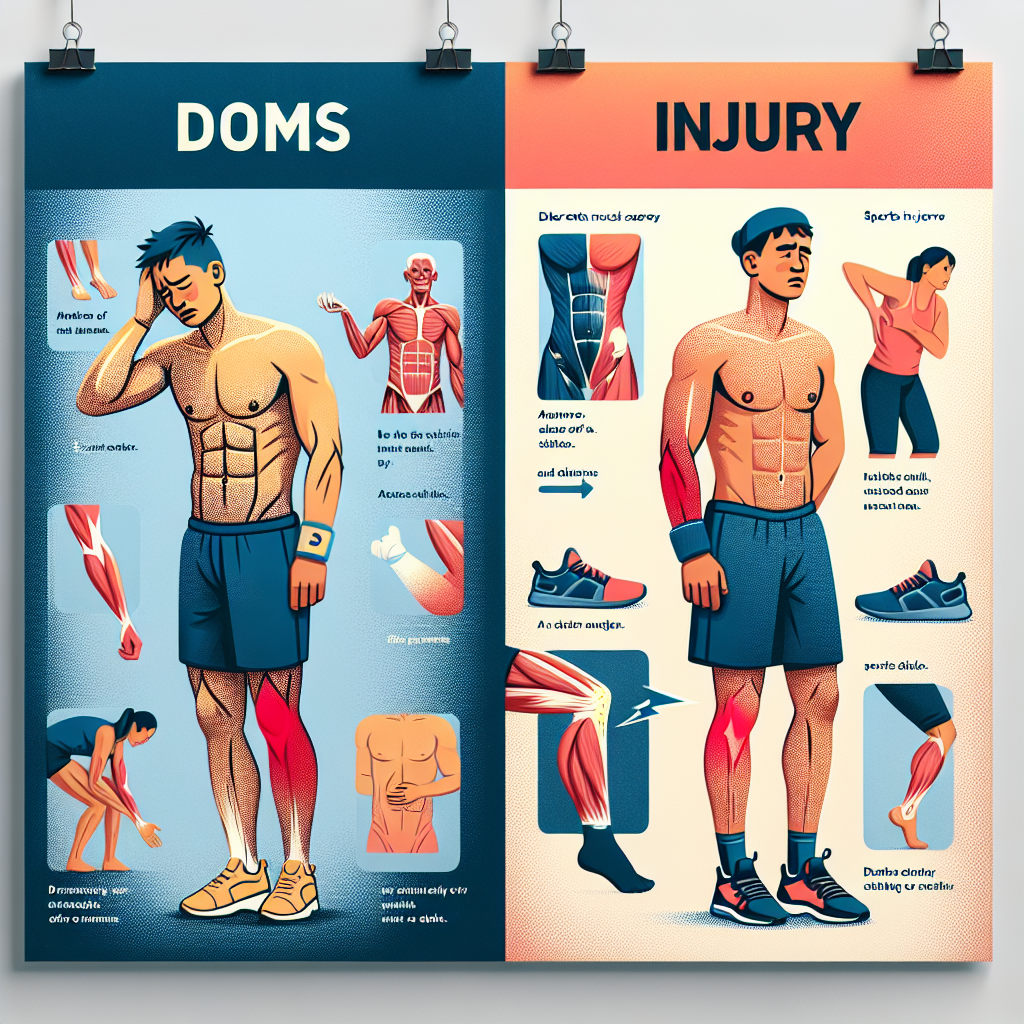
After a tough workout it can be hard to know whether you’re feeling normal soreness or dealing with an actual injury. This guide explains how to tell the difference and…
For athletes, lifters, and anyone training hard who wants to feel better and perform better, faster. Short answer Need to bounce back fast (tournament, back-to-back sessions)? Choose cold water immersion…
A practical guide to using strategic recovery for bigger lifts, faster runs, and better training long-term. What is a deload? Why deloads work Signs you need one How often Types…
Stronger muscles. Sharper mind. Better mood. It all starts in the dark. Why 7–9 Hours Matters For most healthy adults, 7–9 hours of nightly sleep is the sweet spot. Consistently…
Sleep is the most powerful, accessible recovery tool we have. It restores the body and brain, drives adaptation to training, protects against injury and illness, and stabilizes mood and decision-making.…
Summary: Walking remains one of the most powerful, accessible tools for better metabolic health. The familiar goal of 10,000 steps per day isn’t magic—but it is a practical, evidence-aligned target…