
How we work shapes how we live. And how we live shapes how we work. Bridging the two isn’t about squeezing more into a day—it’s about designing days that fit our bodies, minds, relationships, and responsibilities.
Why it matters
Work isn’t a separate life. Commutes affect sleep. Meetings influence meals. Notifications shape attention. The lines between “on” and “off” can blur. Getting intentional about these connections helps you:
- Protect health and relationships while you meet demands.
- Reduce stress by creating predictable rhythms.
- Make better use of your best energy, not just more hours.
- Build flexibility for the inevitable surprises.
The shape of a day
No single schedule fits every person or job. But most days benefit from three anchors: a clear start, a protected focus window, and a deliberate shutdown.
Office-based day (example)
- Start-up (15 minutes): review calendar, prioritize 1–3 outcomes, clear urgent messages.
- Focus block (60–120 minutes): deep work on the top outcome; silence notifications.
- Collaboration window: meetings, quick syncs, shared docs.
- Admin sweep (20–30 minutes): inbox triage, approvals, scheduling.
- Shutdown (10 minutes): document progress, set tomorrow’s top task, tidy desk.
Remote or hybrid day (example)
- Commute ritual substitute: a 10–15 minute walk, stretch, or reading to “arrive.”
- Batch communications into 2–3 windows to avoid constant context switching.
- Use status signals (calendar blocks, status messages) to make availability visible.
- End-of-day handoff note in your team channel to aid async continuity.
Shift, frontline, or gig work (example)
- Pre-shift prep: check tasks, gear, and safety; hydrate and snack plan.
- Task clustering: sequence high-effort tasks earlier if possible.
- Microbreaks: 2–3 minutes each hour for movement and reset.
- Post-shift decompression: brief reflection; light activity to transition home.
Routines that reduce friction
Morning start-up
- Review today’s constraints (meetings, childcare, errands, appointments).
- Choose your “one big outcome” and two small wins.
- Set boundaries: when you’ll be offline, and where to reach you if urgent.
Focus protection
- Timebox deep work in 50–90 minute blocks with a 5–10 minute pause.
- Silence pings; use do-not-disturb and batch notifications.
- Keep a “parking lot” note for ideas and to-dos that pop up mid-focus.
Checkpoints, not constant checking
- Set 2–4 daily checkpoints for email and messages.
- Use templates for common replies to save time.
- Prefer shared docs and dashboards over status meetings.
Shutdown ritual
- Record what moved forward; note blockers and next steps.
- Set tomorrow’s first task to lower startup friction.
- Physical cue: close laptop, tidy workspace, short walk.
Tools and environments
Physical setup
- Neutral posture: screen at eye level, feet flat, wrists neutral.
- Light: bright during focus, softer toward evening; reduce glare.
- Sound: noise-canceling headphones, or soft ambient sound for consistency.
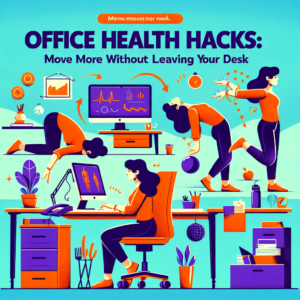
- Movement: alternate sitting and standing if possible; micro-stretches.
Digital setup
- Calendar as a map: block focus, admin, and breaks like meetings.
- Task manager: one trusted list; tag by energy (high, steady, low).
- Automation: filters and rules for email; keyboard shortcuts; canned messages.
- Single source of truth: keep decisions and docs findable.
Social setup
- Norms: define response times, meeting-free hours, and preferred channels.
- Visibility: share weekly priorities and progress; ask for help early.
- Respect: plan for different time zones, caregiving, and accessibility needs.
Boundaries and wellbeing
- Time edges: pick a daily stop time and defend it most days.
- Microrecovery: short, frequent breaks beat long, rare ones.
- Movement snacks: 2–5 minutes every hour to reduce stiffness and boost mood.
- Fuel and hydration: steady meals; water nearby; caffeine earlier in the day.
- Sleep as infrastructure: consistent bedtime and wake time when possible.
- Offline zones: meals without screens; device “parking spot” at night.
Collaboration habits
- Default to async: write clear briefs, decisions, and next steps.
- Meetings with purpose: agenda, owner, timebox, and documented outcomes.
- Fewer attendees, better notes: invite who’s essential; share a concise summary.
- Feedback loops: faster, smaller iterations beat big, late surprises.
- Conflict into clarity: identify the decision, options, and criteria; write it down.
Managing energy and attention
- Match work to energy: creative or analytical tasks in your peak window; admin during dips.
- Protect early hours if that’s your high-focus time; if not, find your own peak.
- Reduce context switching: group similar tasks; close excess tabs and apps.
- Use constraints: short sprints, deadlines, or quiet hours to sharpen focus.
- Mindset shifts: a brief pause, breath, or note-taking can reset attention.
When life happens
Perfection isn’t the goal—resilience is. Plan for variability.
- Buffers: keep some slack in your calendar for spillover and emergencies.
- Plan B kits: backup childcare contacts, a simple meal plan, extra chargers, and medications.
- Transparent communication: share delays early with a revised timeline.
- Recovery after crunch: if a deadline stretched you, schedule a lighter day after.
The near future of work
- Automation and AI will shift work from repetition to judgment, design, and relationships.
- Skill loops matter: learn, apply, reflect, and share—repeat weekly.
- Portfolios over positions: keep artifacts of your impact and process.
- Place and time flexibility: more async, more global, more focus on outcomes.
A 2‑week quick start
Week 1: Map and simplify
- List recurring commitments (work, family, errands). Mark non-negotiables.
- Choose one focus block daily; protect it with a calendar hold.
- Batch messages into 3 checkpoints; set status to reflect availability.
- End each day with a 10-minute shutdown and a note for tomorrow.
Week 2: Improve the edges
- Add a 15-minute morning “arrival” ritual and an evening “off” ritual.
- Introduce two 2–5 minute movement breaks per hour you’re seated.
- Make one meeting async: circulate a doc and comment instead.
- Run a 20-minute weekly review: keep, cut, or change one habit.
Weekly review prompt
- What moved the needle? What didn’t?
- Where did stress spike? What boundary or buffer would help?
- What will I try differently next week?
Closing thought
Work and everyday life aren’t rivals; they’re partners. With a few simple anchors, clear boundaries, and habits that respect your energy and responsibilities, you can build days that work with you, not against you.