
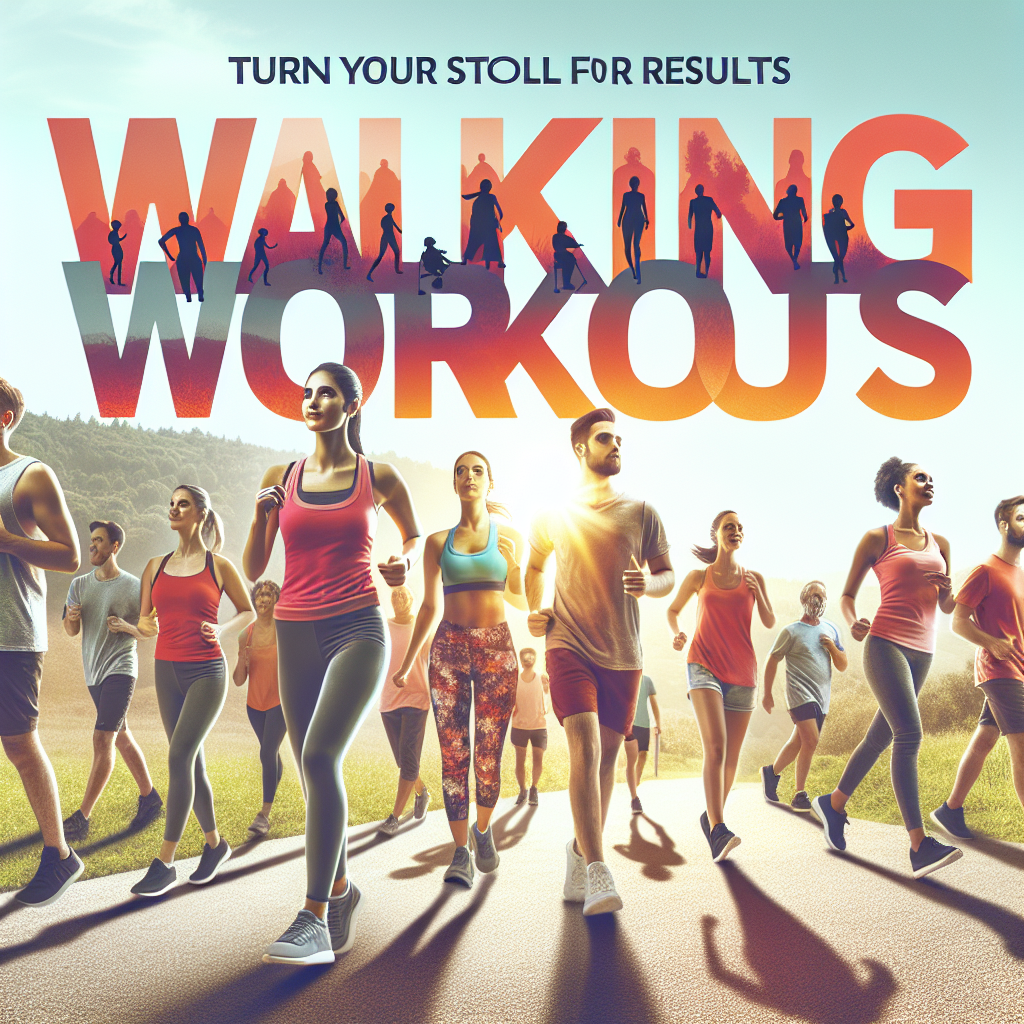
Boost fitness, burn calories, and feel better—no gym required.
Why walking works
- Cardio fitness: Regular brisk walking improves heart and lung efficiency, lowers resting heart rate, and supports healthy blood pressure.
- Metabolic boost: Walking after meals helps manage blood sugar. Across the week, longer walks aid fat loss when paired with nutrition.
- Mood & brain: Even 10 minutes can reduce stress and improve focus and sleep quality.
- Low impact, high return: Easier on joints than running yet potent when you add pace, hills, or intervals.
How hard should you walk?
Use one or more of these simple gauges:
- Talk test:
- Easy (Zone 2): You can speak in full sentences.
- Moderate to hard (Zone 3–4): Short phrases only.
- Very hard (Zone 5): Single words, breathless—save this for short bursts.
- RPE (Rate of Perceived Exertion, 1–10):
- 3–4 easy, 5–6 brisk, 7–8 hard intervals, 9–10 all‑out sprints (rare).
- Heart rate (estimate max as 220 − age):
- Zone 2: 60–70% HRmax, Zone 3: 70–80%, Zone 4: 80–90%, Zone 5: 90–100%.
- Cadence: Brisk walking is often 100–130 steps per minute (spm) for average heights; faster efforts >130 spm.
Technique and form tips
- Posture: Eyes up, shoulders down and back, ribcage over hips, light core engagement.
- Arm swing: Bend elbows ~90°, swing from the shoulders close to the body. Faster arms = faster feet.
- Stride: Shorten slightly and increase cadence. Overstriding brakes your momentum.
- Foot strike: Land under your center, roll from midfoot to toes, push off powerfully.
- Breathing: In through the nose when easy; switch to rhythmic nose-mouth or mouth when intensity rises.
- Optional: Nordic poles can increase energy use by 20–25% and reduce joint load.
Warm-up and cool-down
5–7 minute warm-up
- 2 min easy walk, gradually faster.
- 30 sec ankle circles and heel-toe rolls.
- 30 sec leg swings each side.
- 2–3 x 20 sec high-cadence strides (not sprints) with 40 sec easy between.
3–5 minute cool-down
- Easy walk to bring heart rate down.
- Stretch calves, hamstrings, hip flexors, and glutes (20–30 sec each).
10 proven walking workouts
- Brisk baseline (30 min): 5 min warm-up, 20 min steady brisk (RPE 5–6), 5 min cool-down.
- Intro intervals (20–25 min): 5 min easy, then 10 x 30 sec fast (RPE 7) / 60 sec easy, cool down.
- 1:1 builder (30–35 min): 6 x 1 min hard (RPE 7–8) / 1 min easy. Add sets weekly.
- Pyramid power (28–32 min): 1–2–3–2–1 min hard with equal easy between; repeat once if ready.
- Tempo walk (25–35 min): 10 min easy-to-brisk, 10–15 min comfortably hard (RPE 6–7), 5–10 min easy.
- Hill reps (25–40 min): 6–10 x 45–90 sec uphill hard; walk down easy between reps.
- Stair circuit (20–30 min): 6–8 rounds of 1 flight up brisk / down easy; add flat brisk laps between.
- Long easy walk (45–90 min): Conversational pace, focus on posture and cadence.
- Post-meal mini (10–12 min): Easy-to-brisk right after eating to support glucose control.
- Incline treadmill mix (30 min): 3 min at 3–5% incline brisk, 2 min flat easy; repeat 5–6 times.
Weekly walking plans
Beginner (4 days/week)
- Mon: 20–30 min easy-brisk.
- Wed: Intro intervals (20–25 min).
- Fri: 25–35 min steady brisk.
- Sat or Sun: 35–50 min easy.
Progression: Add 5 minutes to two sessions weekly; when 30+ min feels comfortable, add an extra interval rep.
Intermediate (5 days/week)
- Mon: Tempo walk (30 min).
- Tue: 25–35 min easy recovery.
- Thu: Hill reps or 1:1 builder (30–35 min).
- Sat: Long easy walk (60–90 min).
- Sun: Post-meal mini (10–15 min) or mobility.
Advanced (5–6 days/week)
- Mon: Pyramid intervals (30–35 min).
- Tue: 30–45 min Zone 2 aerobic.
- Wed: Hill/stair session (30–40 min).
- Fri: Tempo block (35–40 min).
- Sat: Long easy (75–120 min).
- Optional: 1–2 post-meal mini walks during the week.
Time-crunched (any level)
- 3–5x per day: 8–12 min brisk walks (commute, lunch, after dinner).
- Weekend: One 40–60 min easy walk.
Hills, treadmill, and tools
- Hills: Increase intensity without pounding. Lean slightly into the hill, shorten stride, drive arms.
- Treadmill: Use 1–3% incline to mimic outdoors. Avoid holding the rails except for brief balance.
- Weighted vest: Optional for advanced walkers; keep total load light (5–10% body weight), maintain posture.
- Tech: Use a step counter or GPS watch for cadence, pace, and heart rate. Track only what helps you stay consistent.
- Poles: Great for uneven terrain and upper-body engagement.
Weight loss and metabolic health
- Consistency beats intensity: 150–300 minutes per week of moderate activity supports fat loss and health markers.
- Nutrition matters most for weight change; walking helps create an energy gap you can sustain.
- Post-meal walking (10–15 minutes) can reduce glucose spikes and support energy levels.
- Mix intensities: Combine easy long walks with 1–2 interval or hill sessions to maximize calorie burn and fitness.
Safety and injury prevention
- Footwear: Supportive shoes that match your gait; replace around 300–500 miles (480–800 km).
- Surfaces: Mix softer paths (tracks, trails) with pavement to reduce repetitive stress.
- Shin splints/plantar fascia: Progress gradually, strengthen calves and hips, stretch calves and arches post-walk.
- Visibility: Bright or reflective clothing; lights at dawn/dusk/night.
- Heat/cold: Hydrate, wear layers, and adjust pace or duration in extreme conditions.
- Medical: If you have cardiovascular or metabolic conditions, check with your clinician before high-intensity intervals.
Make it stick: Motivation and tracking
- Set “when/where” plans: Example—“After lunch, I walk 12 minutes around the block.”
- Track streaks or minutes per week; celebrate milestones.
- Vary routes, add music or podcasts, walk with a friend, join a local group.
- Measure progress: pace over a set route, heart-rate recovery, steps per minute, or how you feel.
FAQs
Is walking enough for fitness? For general health, yes—especially when you include brisk pace, hills, or intervals. Add 2 short strength sessions weekly for best results.
Do I need 10,000 steps? Not necessarily. Benefits start well below that; aim to increase your own baseline by 2,000–3,000 steps and include brisk minutes.
Incline or speed? Both work. Incline raises intensity with less impact; speed challenges cadence and coordination. Mix them.
Should I walk fasted? Personal preference. Choose the time that makes consistency easiest and fuels quality effort.
Quick-start checklist
- Pick 2–3 workouts above and schedule them this week.
- Wear comfortable, supportive shoes and a visible top.
- Warm up 5 minutes, cool down 3–5 minutes.
- Use the talk test to guide intensity.
- Progress gradually—time first, then speed or hills.
- Track minutes and one performance marker (pace on a familiar loop or HR recovery).