
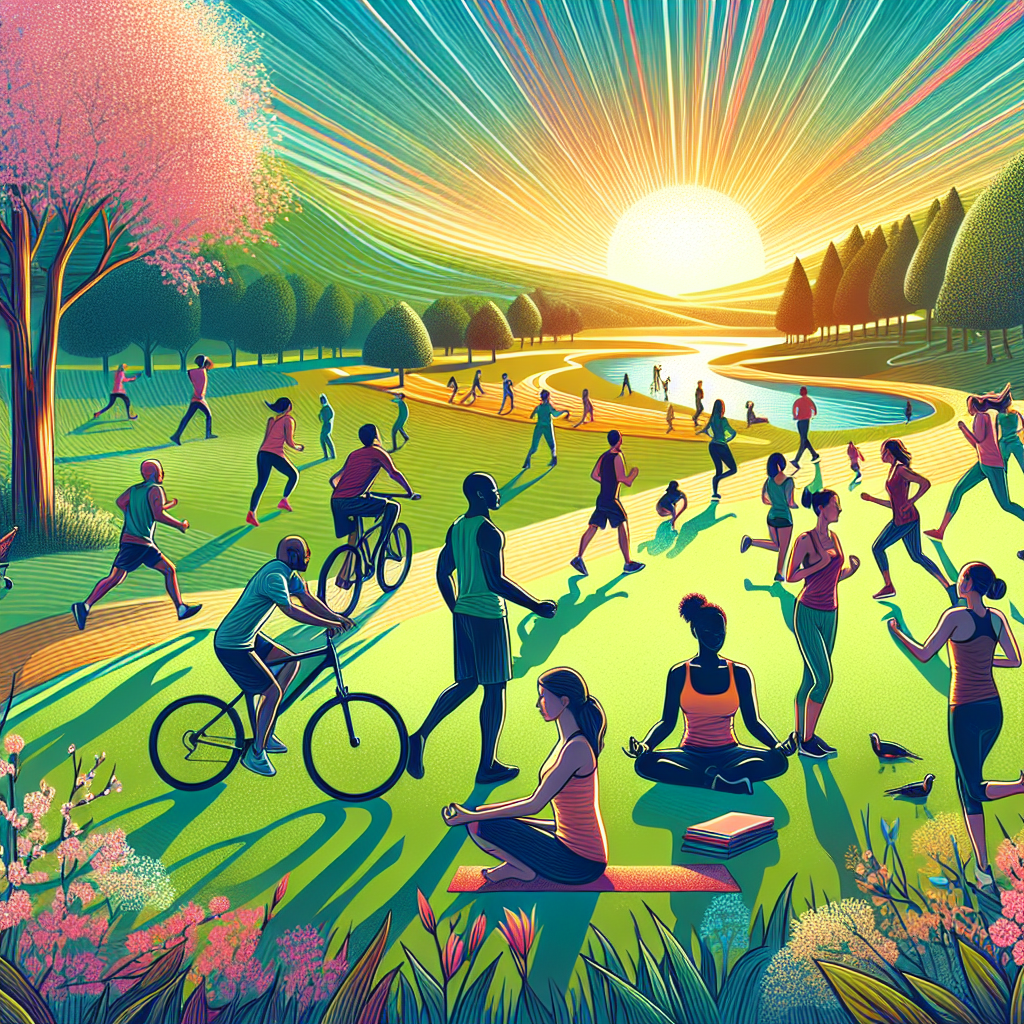
Short answer: Aim for about 150 minutes of moderate activity per week (or 75 minutes vigorous), plus 2 days of strength training. But even 10–20 minutes can reduce anxiety today.
Why exercise helps anxiety
- Acute effect: A single bout of movement can lower state anxiety within minutes and for a few hours after.
- Chronic effect: Regular exercise over 8–12 weeks reduces overall anxiety symptoms and improves stress resilience and sleep.
- How: Exercise modulates stress hormones, boosts mood chemicals, improves sleep, and builds a sense of control.
How much is enough?
Use these as flexible targets—anything is better than nothing.
- Weekly baseline: 150 minutes of moderate-intensity aerobic activity (for example, brisk walking) OR 75 minutes vigorous (for example, running), or a mix.
- Per session: 20–60 minutes, 3–5 days per week. Benefits often begin around 10–20 minutes.
- Strength training: 2 days per week, covering major muscle groups.
Intensity guide by feel (RPE scale 0–10):
- Light: 3–4/10 (you can talk easily)
- Moderate: 5–6/10 (you can talk, not sing)
- Vigorous: 7–8/10 (short phrases only)
If anxiety spikes with a racing heart or breathlessness, start at light intensity and progress gradually.
What types of exercise help?
- Aerobic (walking, cycling, swimming): 3–5x/week, 20–45 minutes. Strong evidence for reducing anxiety acutely and over time.
- Strength training (weights, bands, bodyweight): 2–3x/week, 1–3 sets of 8–12 reps per movement. Often improves anxiety, mood, and sleep.
- Mind–body (yoga, tai chi, qigong): 2–3x/week, 20–60 minutes. Helpful for breath awareness, muscle relaxation, and worry reduction.
- Intervals/HIIT: Optional 1–2x/week if you already have a base. Can be effective but may feel activating for some—introduce with caution.
- Flexibility/mobility: Short daily sessions help with muscle tension and relaxation.
Starter plan (4-week ramp-up)
Adjust to your schedule and energy. Break sessions into 10-minute chunks if needed.
- Week 1: 10–15 minutes brisk walk or gentle cycling on 3 days; 1 short yoga or stretch session.
- Week 2: 20 minutes moderate walk/cycle on 3–4 days; 1 strength session (bodyweight: squats, push-ups, rows, planks).
- Week 3: 25–30 minutes moderate cardio on 3–4 days; 2 strength sessions; 1 short mind–body session.
- Week 4: 30–40 minutes moderate cardio on 3–5 days; 2 strength sessions; optionally add 4–6 gentle intervals (for example, 1 minute a bit harder, 2 minutes easy).
Tip: If time is tight, try 3 × 10-minute walks spread through the day—benefits add up.
Ways to make it easier and more effective
- Pair movement with breath: Inhales through the nose, longer exhales (for example, 4 seconds in, 6 out) during cool-down.
- Green time: Walk outdoors or in nature when possible; many people report extra calming effects.
- Social support: Walk with a friend, join a class, or use a low-pressure app group for accountability.
- Anchor to routines: Attach exercise to an existing habit (after coffee, after school drop-off, before lunch).
- Track feelings: Note anxiety and sleep 0–10 before and after sessions to see what helps most.
- Sleep synergy: Finish vigorous workouts at least 2–3 hours before bed if they disrupt sleep; gentle yoga or a stroll works well late.
Minimum effective dose when you’re overwhelmed
- 5–10 minutes of brisk walking, stair climbing, or light calisthenics.
- EMOM micro-routine (Every Minute on the Minute) for 5–8 minutes: 5–10 squats + 5–10 wall push-ups + 20–30 seconds marching in place.
- 2-minute relief: Stand, roll shoulders, neck circles, 10 deep breaths, 30–60 seconds of slow walking.
Consistency beats perfection. One short bout today still counts.
Avoid overdoing it
- Build gradually (about 10% more time or intensity per week).
- Include at least 1 rest or light day weekly.
- Watch for signs of doing too much: persistent fatigue, irritability, rising resting heart rate, worse sleep, or higher baseline anxiety.
Common questions
How fast will I feel better? Many people feel calmer within 10–30 minutes after a session. For lasting change, expect 2–6 weeks of regular activity.
What if exercise makes my anxiety worse? Lower the intensity, shorten the session, and focus on steady breathing. Try walking, gentle cycling, yoga, or tai chi. If rapid heartbeat triggers panic, ease in with light activity and gradually expose yourself to higher heart rates.
Best time of day? The “best” time is the one you’ll do consistently. Morning often builds momentum; late-day is fine if intensity doesn’t disrupt sleep.
Do I need a gym? No. Walking, stair climbs, bodyweight moves, and home videos are effective.
Safety and when to get extra help
- If you have a medical condition, are pregnant, or have been inactive for a long time, ask a healthcare professional about a safe starting point.
- If anxiety severely interferes with daily life, consider combining exercise with therapy or other treatments.
- If you’re on medications that affect heart rate, use effort-by-feel (RPE) instead of heart-rate targets.
This article is educational and not a substitute for personalized medical advice.