
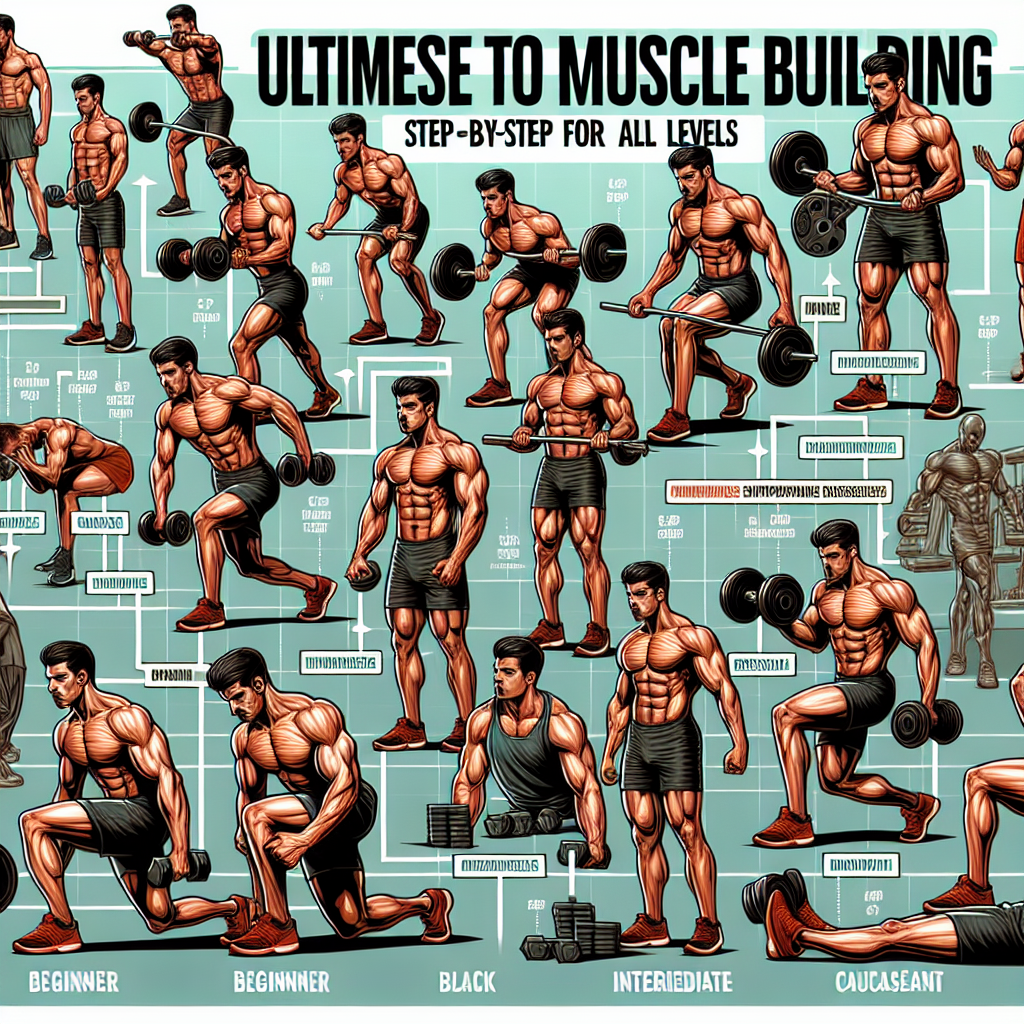
In today’s fast-paced world, many of us struggle to maintain a balanced lifestyle. With increasing stress levels and sedentary habits becoming the norm, the need for sustainable fitness solutions has never been more pressing. Thankfully, 2026 is shaping up to be a year of innovation in the fitness landscape, where technology, mental health awareness, and holistic wellness converge to create a path forward. In this article, we’ll explore these trends — from AI-powered fitness programs to the rise of home workouts — and how you can benefit from them on your journey to health and wellness.
What This Topic Means
At its core, fitness is about achieving balance—physically, mentally, and emotionally. The advancements in technology and lifestyle choices will help you simplify the path to wellness. Understanding these emerging trends can empower anyone, from novices to fitness aficionados, to harness the tools needed for holistic health.
The Science Behind It
As we delve deeper into these trends, it’s essential to understand the science that backs them. Research illustrates that regular physical activity improves mood, reduces anxiety, boosts longevity, and combats sedentary lifestyles linked to numerous health issues. By integrating technology, we can make fitness more accessible and tailored to individual needs.
Why This is Important in 2026
The Lifestyle Shift
With the COVID-19 pandemic shifting millions of people to remote work settings, many have adopted a sedentary lifestyle, contributing to increased health risks such as obesity, heart disease, and mental health issues. According to the Centers for Disease Control and Prevention (CDC), regular physical activity can serve as a protective factor against these ailments.
The Role of AI
Artificial Intelligence is rapidly transforming industries, and fitness isn’t exempt. From personalized workout recommendations to real-time performance tracking, AI can help individuals fine-tune their fitness routines in ways that were previously unimaginable. For instance, AI algorithms analyze your behavior and progress, providing insights that can drive sustainable changes.
Navigating Stress
In 2026, mental health is taking center stage in the wellness conversation. Integrating mental wellness into fitness routines is no longer optional but essential. Practices such as mindfulness, meditation, and yoga are becoming mainstream, so focusing on these areas can enhance your overall well-being.
Step-by-Step Action Plan
To benefit from these trends, here’s a simple action plan:
-
Self-Assessment: Identify your current fitness level and any specific goals (weight loss, muscle gain, etc.).
-
Set Realistic Goals: Utilize the SMART criteria (Specific, Measurable, Achievable, Relevant, Time-bound).
-
Incorporate AI Tools: Explore AI-powered apps for customized workout plans.
-
Regular Evaluation: Establish a routine to review your progress monthly.
- Seek Support: Join communities or forums to share experiences, challenges, and tips.
Best Exercises, Diet, and Routines
Exercises
- HIIT Workouts: High-Intensity Interval Training is effective for fat loss and improving cardiovascular health.
- Strength Training: Weightlifting can enhance muscle mass and metabolism.
- Yoga and Pilates: These promote flexibility, mental health, and holistic well-being.
Diet
Focus on a balanced diet that includes:
- Fruits and Vegetables: Rich in essential vitamins and minerals.
- Lean Proteins: Supports muscle recovery.
- Healthy Fats: Nuts, seeds, and avocados aid in long-term satiety and energy.
Tools & Apps
- AI Fitness Apps: Look for platforms like Freeletics or Mirror that personalize workouts based on your input.
- Fitness Trackers: Devices such as Fitbit or Garmin provide data on activity levels and sleep patterns.
- Mindfulness Apps: Headspace and Calm can enhance your mental wellness journey.
How Long Until Results
Realistic expectations are vital. Depending on your initial fitness level and commitment, noticeable changes can often take anywhere from 4 to 12 weeks. Regular evaluations will help keep you on track.
Common Mistakes to Avoid
-
Overtraining: Pushing too hard can lead to burnout or injuries.
-
Ignoring Nutrition: Exercise alone won’t yield results without a balanced diet.
- Setting Vague Goals: Be specific in your ambitions to track progress accurately.
Expert Tips for Faster & Safer Results
- Focus on Form: Prioritize proper techniques during workouts to avoid injuries.
- Hydrate Well: Water aids in recovery and performance.
- Be Consistent: Regular practice is key; even small actions lead to significant changes over time.
FAQs
-
How often should I work out in 2026?
- Aim for at least 150 minutes of moderate exercise per week.
-
What role does nutrition play in overall fitness?
- Nutrition fuels your body; poor dietary choices can negate workout efforts.
-
Can mindfulness really improve my workouts?
- Yes, mindfulness can reduce stress and enhance focus, improving workout quality.
-
Are AI tools worth the investment?
- Yes, when used correctly, they can provide personalized insights that enhance your fitness journey.
- What’s the best type of exercise for weight loss?
- Combining cardio and strength training is most effective for weight loss.
Conclusion: Your Path to A Healthier Future
Taking these steps toward a healthier lifestyle can transform your life in 2026 and beyond. The convergence of technology and holistic wellness offers unprecedented opportunities for personal growth. Remember, consistency is key; embrace the journey and celebrate your achievements, no matter how small.
Start today and make a commitment to your health, leveraging the exciting trends that will shape our fitness landscape in the coming years.
Disclaimer: Consult your doctor before starting any program.
Let’s take charge of our well-being, empower ourselves through knowledge, and foster a future filled with health and vitality!