
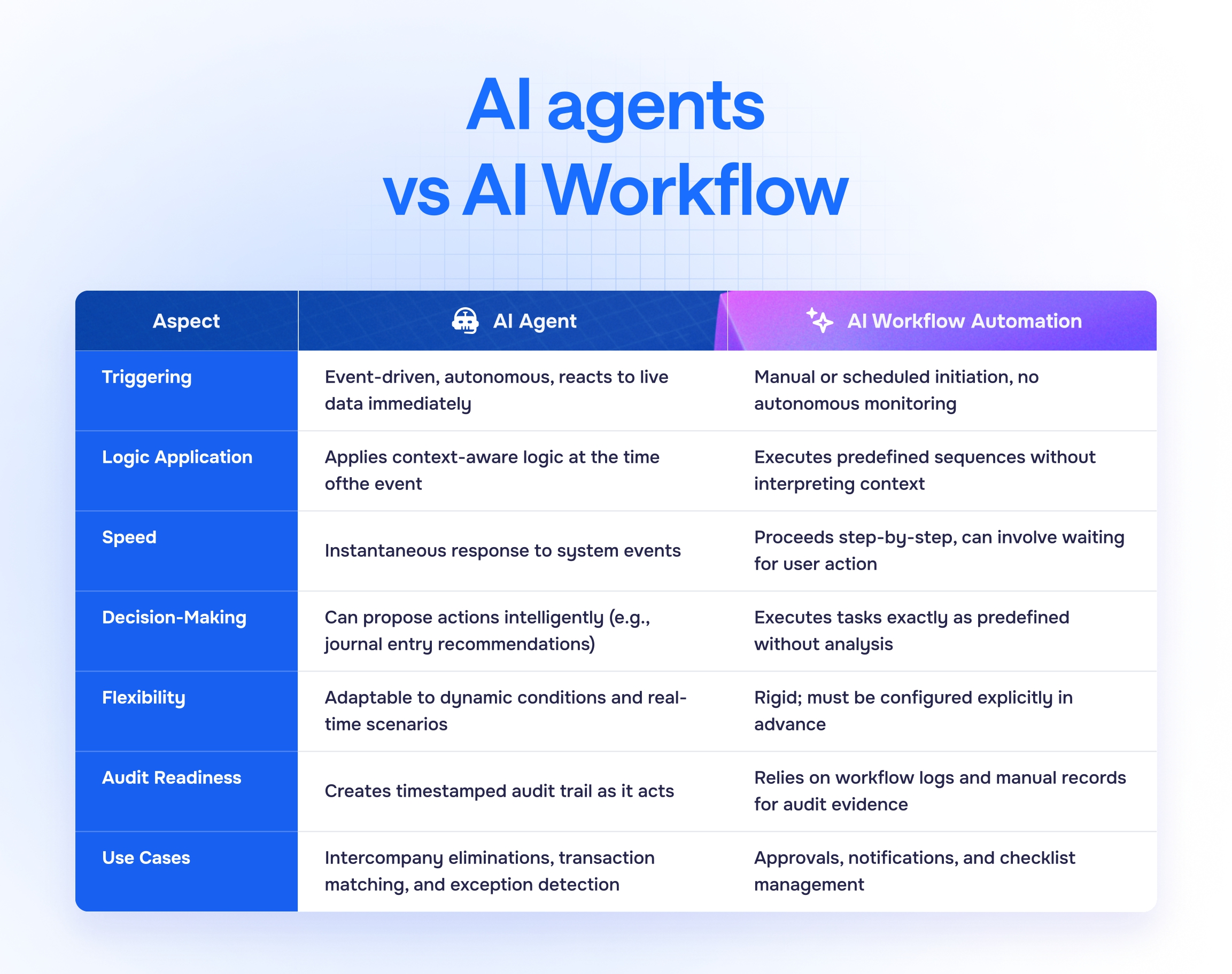
AI is no longer just assisting humans—it is executing complete workflows.
AI agents are now handling tasks that once required multiple tools, manual decisions, and human follow-ups.
From marketing automation to customer support and data analysis, AI agents are replacing repetitive workflows while improving speed, accuracy, and scalability.
This guide explains:
- What AI agents really are
- How they replace manual workflows
- Real-world use cases in 2026
- Best AI agent tools to try
- Risks, limitations, and best practices
What Are AI Agents? (Simple Explanation)
An AI agent is a system that can:
- Understand a goal
- Break it into steps
- Use tools and data
- Take actions automatically
- Learn from outcomes
Unlike chatbots, AI agents work independently once instructed.
Example
Instead of asking AI to “write an email,” an agent can:
- Analyze customer data
- Segment users
- Write personalized emails
- Schedule delivery
- Track responses
- Optimize future campaigns
Why AI Agents Matter More in 2026
Businesses worldwide are adopting AI agents because they:
- Reduce operational costs
- Eliminate repetitive human tasks
- Work 24/7 without fatigue
- Integrate across multiple platforms
- Scale instantly with demand
In 2026, companies that don’t automate workflows with AI agents risk falling behind competitors.
Manual Workflows vs AI Agent Workflows (Comparison)
| Feature | Manual Workflow | AI Agent Workflow |
|---|---|---|
| Speed | Slow | Near-instant |
| Errors | Human-dependent | Consistent accuracy |
| Scalability | Limited | Unlimited |
| Cost | High long-term | Lower over time |
| Availability | Working hours | 24/7 |
| Optimization | Manual review | Continuous learning |
Real-World AI Agent Use Cases in 2026
1. Marketing & Content Operations
AI agents now:
- Research keywords
- Generate SEO briefs
- Create content drafts
- Publish posts
- Track rankings
Result: Faster content production with better SEO performance.
2. Customer Support Automation
AI agents can:
- Handle tickets
- Escalate complex issues
- Update CRM records
- Send follow-ups
Many global companies report 60–80% ticket reduction using agents.
3. Data Analysis & Reporting
AI agents:
- Pull data from dashboards
- Clean datasets
- Generate insights
- Deliver weekly reports
This replaces hours of manual spreadsheet work.
4. E-commerce Operations
Agents now:
- Monitor inventory
- Adjust pricing
- Respond to customer queries
- Track abandoned carts
5. HR & Recruitment
AI agents:
- Screen resumes
- Schedule interviews
- Send candidate updates
- Maintain hiring pipelines
Top AI Agent Tools to Use in 2026
Here are popular AI agent platforms businesses are adopting:
- AutoGPT – Autonomous task execution
- LangChain – Build multi-step AI workflows
- CrewAI – Role-based agent teams
- Zapier AI – No-code workflow automation
- Microsoft Copilot – Business process automation
How AI Agents Replace Jobs vs Tasks (Important Reality)
AI agents replace tasks, not entire professions.
Best results come when:
- Humans set goals
- AI executes workflows
- Humans review outcomes
This hybrid approach improves productivity without losing control.
Risks & Limitations of AI Agents
Before deploying AI agents, consider:
- Over-automation risks
- Data privacy compliance
- Hallucination handling
- Human oversight requirements
Best Practice
Always include:
- Approval checkpoints
- Logging and monitoring
- Clear ethical guidelines
How to Start Using AI Agents (Beginner Steps)
- Identify repetitive workflows
- Start with one use case
- Choose a reliable AI agent tool
- Monitor performance
- Scale gradually
Final Thoughts
AI agents are not a future concept—they are actively replacing manual workflows in 2026.
Businesses and creators who adopt them early gain:
- Speed
- Efficiency
- Competitive advantage
The key is using AI responsibly, strategically, and with human oversight.