A practical, mix-and-match approach to plan, shop, cook, and enjoy nourishing meals without starting from scratch every day.
Why Meal Prep Works
Meal prep is a simple system for choosing, cooking, and storing a handful of versatile foods so that weekday meals come together in minutes. Instead of cooking seven different dinners, you batch‑cook strategic components you can reuse.
- Saves time and decision fatigue
- Supports balanced nutrition and portion control
- Cuts food waste and grocery costs
- Makes healthy choices the easy default when you’re busy
The Core Method: Build, Batch, Blend
1) Build balanced plates
- Half plate: colorful veggies
- Quarter: protein (beans, tofu, fish, poultry, lean meats, eggs)
- Quarter: smart carbs (whole grains, potatoes, fruit)
- Add: healthy fats (olive oil, avocado, nuts, seeds)
2) Batch core components
- 3 proteins
- 2 grains or starches
- 1–2 sheet pans of veggies
- 2 sauces or dressings
3) Blend with flavor swaps
- Mediterranean: lemon, olive oil, oregano
- Mexican‑inspired: chili, cumin, lime
- Asian‑inspired: soy/tamari, ginger, sesame
Tools & Containers
Helpful tools
- 2 sheet pans, large skillet, medium pot, rice cooker (optional)
- Cutting board, sharp knife, measuring cups/spoons
- Instant‑read thermometer
Containers
- Shallow glass or BPA‑free containers (2–4 cup)
- Jars for dressings and oats
- Freezer‑safe bags for extras
- Labels or painter’s tape + marker
Food Safety & Storage
- Cool and refrigerate within 2 hours; use shallow containers.
- Fridge guideline: 3–4 days for cooked meats, grains, and most veggies.
- Freeze portions you won’t eat by day 3–4; thaw in fridge overnight.
- Reheat leftovers to 165°F (74°C). Safe internal temps: poultry 165°F/74°C; fish 145°F/63°C; ground meats 160°F/71°C.
- Label with item + date; “first in, first out.”
The 90‑Minute Weekend Prep Plan
- Plan (10 min): Pick 3 proteins, 2 carbs, 2 sauces, 1 breakfast. Make a quick list.
- Shop (15–20 min): Stick to your list; buy produce that stores well.
- Preheat: Oven to 400°F (205°C). Start grains in pot or cooker.
- Sheet‑pan veggies (30–35 min total): Toss chopped broccoli, peppers, onions, zucchini, or sweet potatoes with olive oil, salt, pepper. Roast, rotating pans halfway.
- Protein (20–30 min): While veggies roast, cook:
- Chicken thighs (sheet pan or skillet) to 165°F (74°C)
- Chickpeas or black beans (simmer with spices)
- Tofu (press, cube, roast or pan‑sear)
- Sauces (10 min): Whisk 2 mix‑and‑match dressings (e.g., lemon‑tahini, ginger‑soy).
- Raw add‑ins (10 min): Wash/spin greens, chop herbs, slice cucumbers.
- Breakfast (10 min): Assemble 4–5 jars of overnight oats or chia pudding.
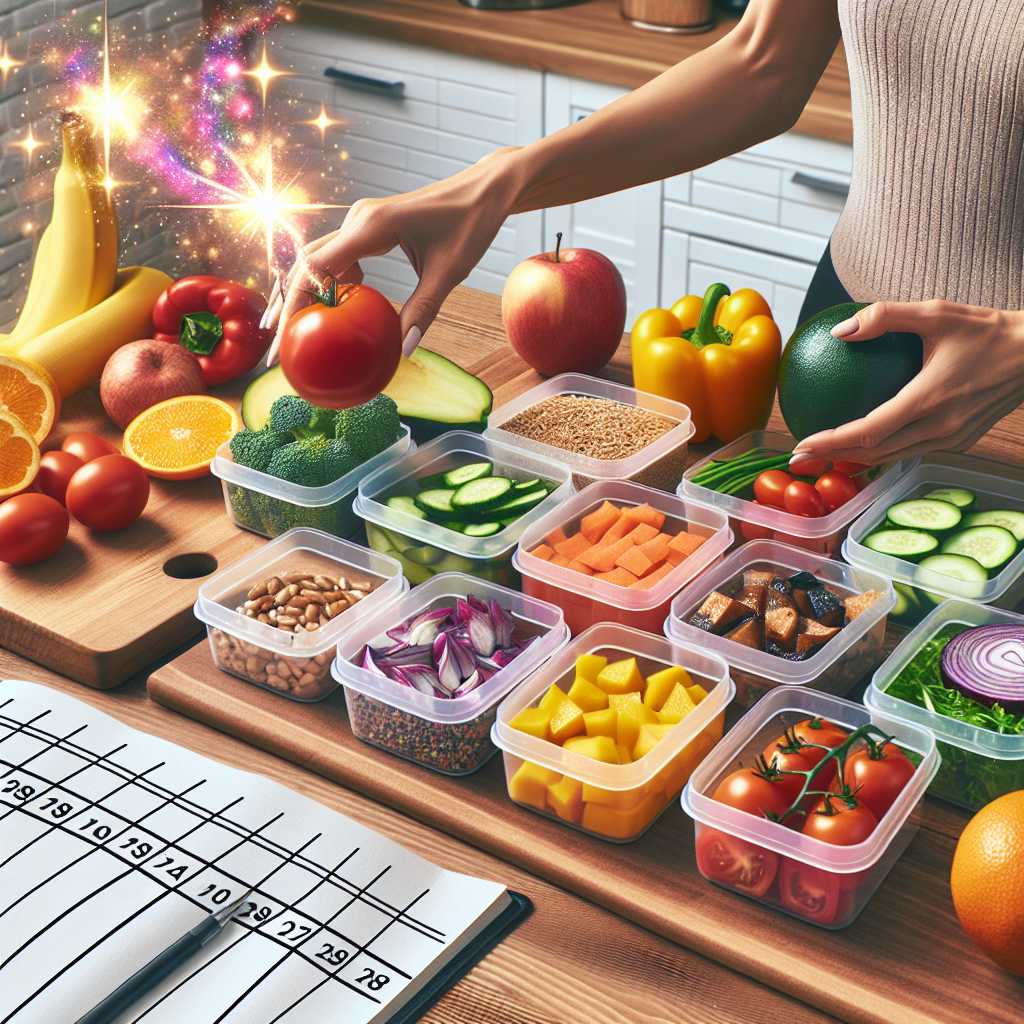
- Portion & label (5–10 min): Build 4–6 lunch boxes; store the rest as components.
Tip: Keep one pan for “neutral” flavors (salt/pepper only) and add spices when reheating to avoid flavor fatigue.
Base Recipes (Flexible & Fast)
1) Lemon‑Garlic Roasted Chicken or Tofu
Ingredients: 1.5 lb (680 g) chicken thighs or extra‑firm tofu (pressed), 2 tbsp olive oil, 2 cloves garlic (minced), 1 tsp each salt and pepper, zest + juice of 1 lemon, 1 tsp oregano.
Method: Toss to coat, roast at 400°F (205°C) on a lined sheet pan: chicken 22–28 min to 165°F (74°C); tofu 20–25 min flipping once.
2) Spiced Chickpeas
Ingredients: 2 cans chickpeas (drained), 1 tbsp olive oil, 1 tsp each cumin, smoked paprika, 1/2 tsp salt.
Method: Sauté 6–8 min until lightly crisp; or roast 20 min at 400°F (205°C).
3) Quinoa or Brown Rice
Rinse 1 cup quinoa; cook with 1.75 cups water and pinch salt, 15 minutes, rest 5. For brown rice, use 1:2 ratio, simmer 30–35 minutes.
4) Sheet‑Pan Veggies
Toss 8 cups mixed veggies with 2–3 tbsp olive oil, salt, pepper. Roast at 400°F (205°C) for 20–30 minutes, stirring once.
5) Sauces
- Lemon‑Tahini: 1/3 cup tahini, juice of 1 lemon, 1 small garlic clove, 2–4 tbsp water, salt. Whisk until creamy.
- Ginger‑Soy: 3 tbsp soy/tamari, 1 tbsp rice vinegar, 1 tsp honey or maple, 1 tsp grated ginger, 1 tsp sesame oil.
Grocery List (for the Sample Plan)
Produce
- Broccoli (2 heads)
- Bell peppers (3)
- Red onion (1–2)
- Zucchini (2)
- Sweet potatoes (4)
- Spinach or mixed greens (2 large bags)
- Cucumbers, tomatoes, herbs, lemons (3)
- Garlic, limes
- Berries + bananas
Proteins
- Chicken thighs or tofu (2–3 packs)
- Chickpeas (4 cans)
- Greek yogurt or plant‑based yogurt
- Eggs (1 dozen)
- Black beans (2 cans)
- Salmon or white fish (optional)
Pantry & More
- Quinoa and/or brown rice
- Whole‑grain pasta, tortillas
- Tahini, olive oil, soy/tamari
- Spices: salt, pepper, cumin, paprika, oregano, chili powder
- Nuts/seeds, oats, chia
- Feta or dairy‑free alt, olives
Dietary Swaps & Customizations
- Vegetarian/Vegan: Use tofu, tempeh, lentils, beans; swap yogurt/dairy for plant‑based options; use maple instead of honey.
- Gluten‑Free: Choose tamari, corn tortillas, GF oats, and GF pasta.
- Lower‑Carb: Emphasize non‑starchy veggies and proteins; use cauliflower rice or extra greens.
- Higher‑Protein: Add edamame, cottage cheese, canned tuna, extra eggs; use Greek yogurt.
- Kids/Family Style: Keep components separate; offer 2 sauce choices and a mild seasoning option.
Time‑Saving & Budget Tips
- Choose overlap: the same roasted veggies can become bowls, tacos, or pasta add‑ins.
- Use convenience when needed: pre‑washed greens, frozen veggies, rotisserie chicken.
- Season smart: keep a “neutral” batch, then finish with different spices at mealtime.
- Batch and freeze: double grains or beans; freeze flat in bags for quick thawing.
- Revive textures: re‑crisp roasted items in an oven/air fryer for 5–8 minutes.
- Add fresh at serving: herbs, citrus, crunchy toppings keep meals exciting.
Common Pitfalls—Solved
- Boredom: Change the sauce and herbs; rotate 1–2 components weekly.
- Soggy salads: Layer jars with dressing at bottom, sturdy items next, greens on top.
- Overcooking: Pull items slightly under; finish when reheating.
- Running out midweek: Freeze half on prep day; move to fridge Wednesday.
Quick FAQs
How long does prepped food last? Most cooked items keep 3–4 days refrigerated; freeze extras for weeks.
What reheating method is best? Moist foods: microwave with a cover. Crispy items: oven or air fryer. Always reheat to 165°F (74°C).
Can I meal prep with minimal cooking? Yes—use canned beans, rotisserie chicken, bagged slaws, microwave grains, and jarred sauces.
Your First Prep: A Simple Starter Set
- Protein: tofu or chicken thighs
- Carb: quinoa
- Veggies: one sheet pan mixed
- Sauce: lemon‑tahini
- Breakfast: overnight oats
In under two hours, you’ll have 4–6 balanced meals ready to go. That’s meal prep magic—healthy eating made simple all week long.